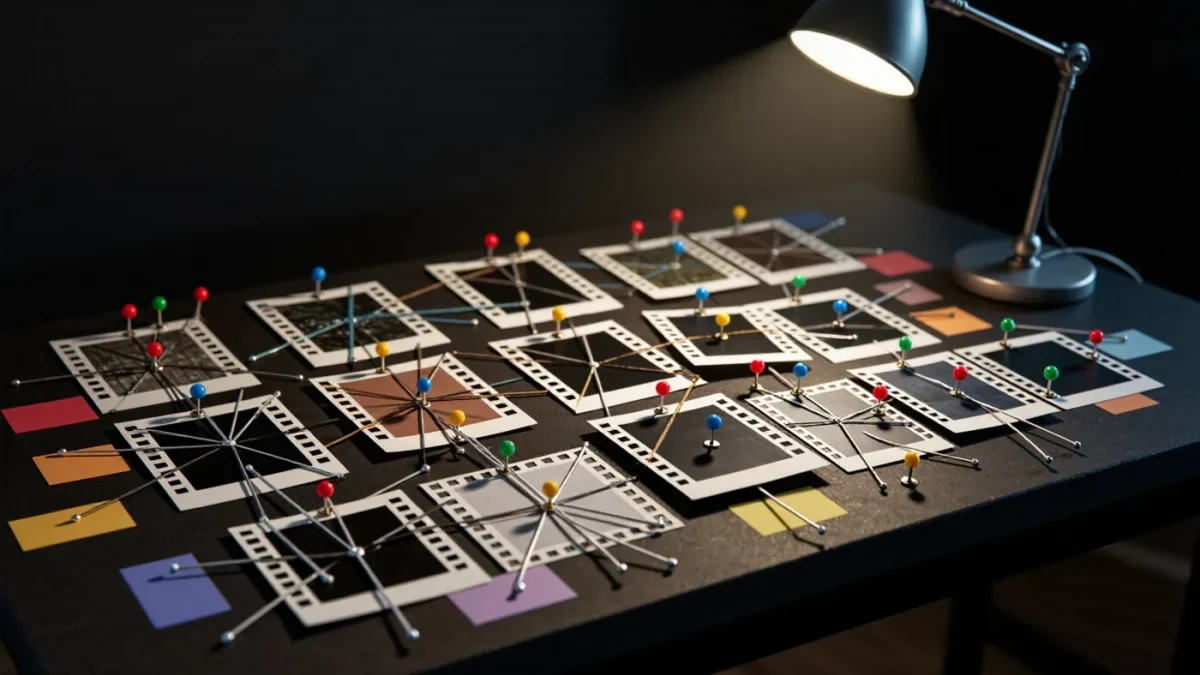
Reality television is constructed in the edit suite: a season can generate thousands of hours of footage that producers compress into episodes with clear heroes, villains and arcs. The core technique is frankenbiting — cutting together fragments of separate sentences so a participant appears to say something they never said in that order or context. Former cast members and producers have described the practice openly for years, and it is legal because participants sign releases covering how their footage is used.
What is frankenbiting exactly?
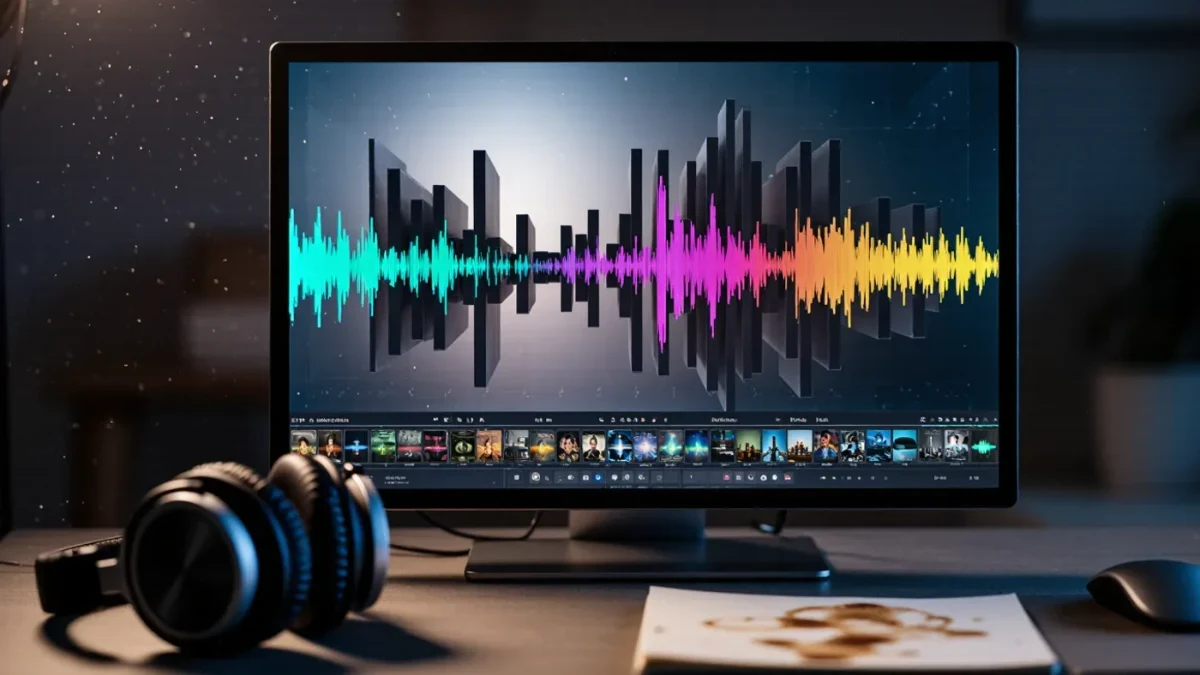
It is splicing audio from different moments into one apparent statement. A reaction shot filmed on Tuesday sits under a sigh recorded Thursday; a sentence's second half is grafted onto another sentence's first half. The finished line was never spoken, but every syllable is authentic. Producers and editors interviewed about unscripted television have acknowledged the technique for over a decade, and several reality participants have publicly said their on-screen statements were reordered this way.
The name blends "Frankenstein" and "soundbite," which is an accurate description of the method: a composite creature assembled from real parts. entertainment news coverage.
How much footage does one episode use?
Ratios vary, but unscripted productions commonly report shooting in the range of hundreds of hours for a single hour of broadcast — some long-running franchises have cited figures well beyond that. Everything the audience sees is a selection from that mass. The camera also changes behavior: participants know they are filmed, and producers shape events through interviews, confessional prompts and, on some shows, produced segments that are then presented as spontaneous.
How does editing create a villain?
Through repetition and juxtaposition. An eye-roll caught once can be laid under a dozen conversations. Confessional reactions taped weeks apart are inserted next to events they never addressed. Music and color grading do the rest — a colder palette and low strings tell the audience who to distrust before a word is spoken. Producers assign story roles early in a shoot; editors then hunt the footage for moments that fit the assigned arc, and moments that complicate it are left on the floor.
Are producers allowed to stage things?
Depends on the show and jurisdiction, but the practical answer is that much of what looks spontaneous is shaped. Reshoots of "candid" moments, retake requests for natural reactions, producer-fed lines in interviews, and fabricated scenarios (the genre has used produced competitions and scripted beats since its early days) are documented in accounts from industry professionals. Contest rules and prize competitions face stricter external oversight — for example, US quiz and contest formats have historically been regulated after the 1950s quiz-show scandals — but relationship and lifestyle reality operates under almost no content regulation beyond broadcast standards.
Why do cast members agree to this?
Contracts. Participants sign releases granting broad editing rights, and standard agreements cover dramatization and recontextualization of their words and image. Exiting mid-production typically carries financial penalties or forfeits compensation. The power asymmetry is stark: an editor with a deadline and a story mandate, against a first-time participant with no approval rights over the cut.
How can viewers spot manipulated scenes?
Look for the seams. A conversation where the two participants never appear in the same frame. A reaction shot reused across multiple episodes. Audio quality that shifts mid-sentence — room tone, distance, breath — suggesting the splice. Confessional interviews that "answer" questions the scene never raised, a classic sign the interview was repurposed from another context.
Tone also telegraphs the edit. When music insists someone is menacing but their shown behavior is mild, trust the behavior. The score is a post-production decision; it tells you what the editors wanted you to feel, not what the room felt like.
Has anyone challenged these edits?
Legally, rarely with success, precisely because the contracts are so broad. Public pushback happens instead: participants release their own accounts, occasionally with recordings or diary entries, and some productions have apologized for or re-edited controversial sequences after backlash. The genre's credibility problem is persistent enough that "the edit" has become a standard cast-member complaint — shorthand for the gap between what a participant experienced and what broadcast showed.
The working assumption for any unscripted show should be: real people, real footage, constructed story. The cut is the author. What the audience watches is not a record of events but an argument about them, assembled afterward by people with a narrative to deliver and a runtime to fill.