Paid celebrity crypto promotions are legal only when the payment is disclosed. The SEC put that rule on the record in its first touting cases in 2018, and Kim Kardashian agreed to pay $1.26 million in 2022 over one undisclosed post. The written rule sits in the federal trade guides.
The deal itself is not the violation. The silence is. A promoter must state who pays and how much, in a form the audience cannot miss. The sections below cover the rule, the two enforcement rounds, and what a compliant promo shows.
What does the law require from a paid promo?
Federal trade guides cover endorsements in every medium, crypto included. The rule says a connection between the endorser and the seller must come out when that connection could sway the audience and the audience would not expect it. The regulation names payments, free or discounted products, and business, family, or personal ties as material connections. The disclosure must be clear and conspicuous. The guides apply to any endorser, celebrity or not. Small print, a buried hashtag, or a line lost in a caption fails that standard.
Who did the SEC charge first?
Floyd Mayweather Jr. and DJ Khaled drew the first charges, announced November 29, 2018. The SEC’s orders found that Mayweather took promotional payments from three ICO issuers, including $100,000 from Centra Tech, and never said so. Khaled held back a $50,000 Centra Tech payment. Mayweather agreed to pay $300,000 in disgorgement, a $300,000 penalty, and interest, plus a three-year promotion ban. Khaled agreed to pay $150,000 and interest under a two-year ban. Both settled without admitting or denying the findings. The agency called them the first cases of their kind.
What happened with Kim Kardashian?
The SEC announced charges on October 3, 2022. Its order found that Kardashian was paid $250,000 to post about EMAX tokens on Instagram and did not disclose it. The post carried a link to the EthereumMax website. She settled without admitting or denying the findings. The payment package reached $1.26 million: about $260,000 in disgorgement and a $1 million penalty, with a three-year ban on promoting crypto asset securities. The enforcement director stated the law plainly: the nature, source, and amount of the pay must come out. The release said the investigation was continuing.
What does a compliant promo show?
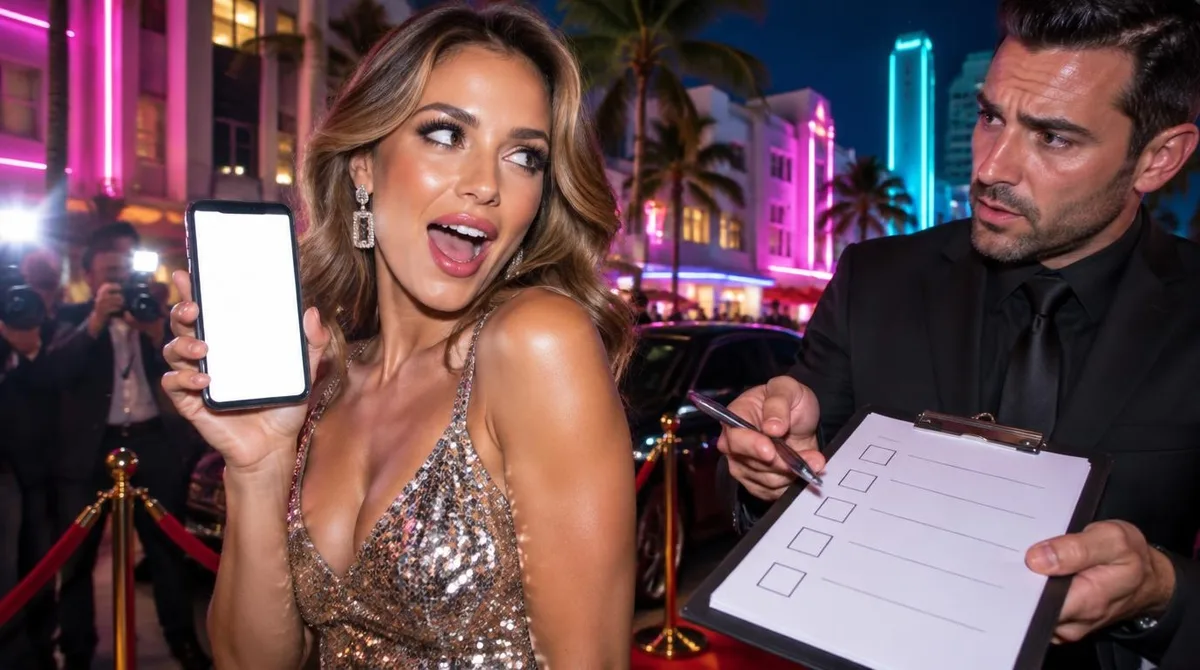
The confirmed cases point to a short checklist a viewer can apply in seconds.
- The pay relationship is labeled in the post itself, not in a reply or a bio.
- The label is visible without extra taps, at the top of the caption or on the frame.
- The who and how much of the deal are stated, per the SEC orders.
- The label survives reposts, stories, and edited reuploads.
A promo that hides any of those parts carries the same risk the SEC penalized: an audience reading a sales pitch as a personal opinion.
Why do these cases matter beyond the fines?
The product behind the posts is the second half of the record. The same 2018 orders note that the SEC had sued Centra Tech’s founders that April, alleging a fraudulent ICO, with parallel criminal charges in federal court. The chair’s 2022 statement made the investor point: a celebrity endorsement does not mean a product fits an investor’s goals. Disclosure is the warning label that lets a reader judge the pitch before the pitch arrives. For related coverage, see How celebrity wax figures get made, step by step.
Conclusion: the payment is the headline
A celebrity crypto promo is a paid promotion, and the pay is the story. The rule demands it in the open: who pays, how much, in plain view. Mayweather, Khaled, and Kardashian learned the price of skipping that step in settled SEC orders. Any reader can hold a promo to the same test in seconds: find the disclosure, or treat the pitch as unconfirmed. We covered a connected angle in Fake celebrity accounts: how to spot an impersonator in 60 seconds.