An autograph passes authentication when experts compare it with verified examples. The match has to hold in letter shapes, spacing, and stroke flow. Third-party services such as PSA, Beckett Authentication Services, and James Spence Authentication issue the verdicts. None of them witnessed the original signing.
The fraud record explains the care. An FBI probe named Operation Bullpen ran from 1999 to 2006. It uncovered $100 million in forged autographs and sports memorabilia. In April 2000, FBI investigators said 50 to 90 percent of the memorabilia in the industry looked fake to them. We covered a connected angle in Fake celebrity quotes: how they're born and how they die.
What does an authenticator check first?
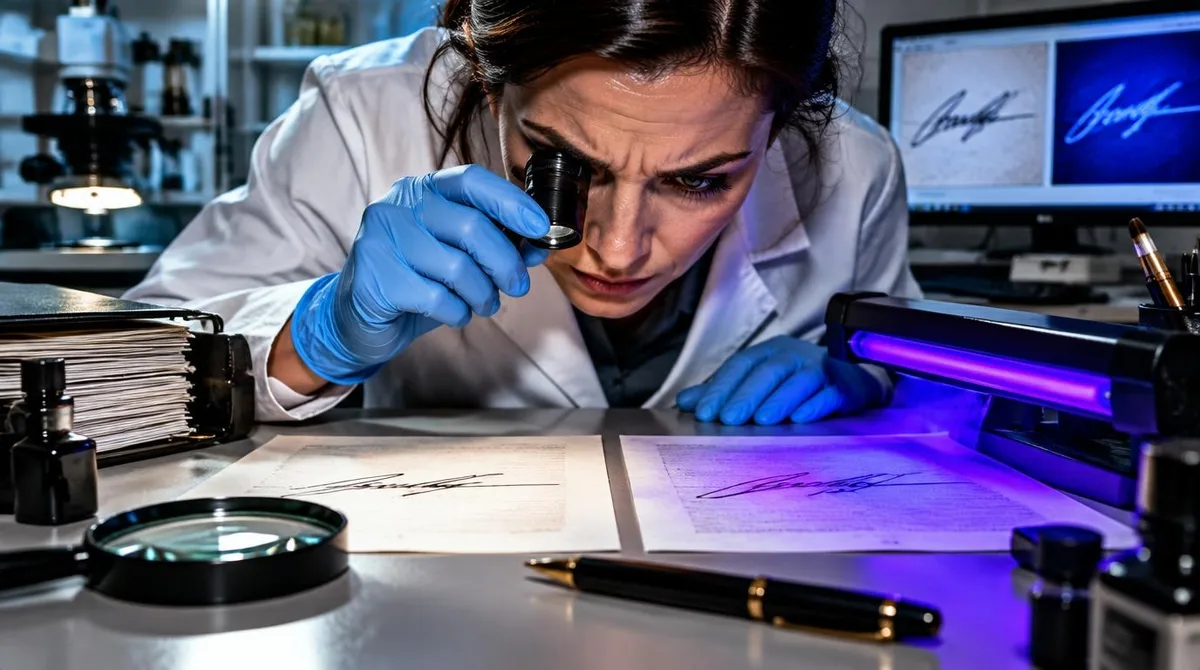
The first check is a side-by-side comparison with exemplars. Exemplars are verified examples of a person’s signature. Experts study letter shapes, spacing, slant, and the flow of each stroke. The collector guide from dealer SWAU adds a key point. Real signatures evolve over time. An early-career signature that looks identical to a modern one is suspicious.
Red flags show up in the physics. Fakes often carry uneven pen pressure and shaky strokes. The ink can betray the item too. A vintage piece signed with a modern marker raises immediate concern.
Tools extend the eye. Services use magnification and light at different wavelengths. The scans can reveal a traced outline or a signature added over an old fade. Object evaluation rounds out the review. The type of ball, the photo era, and the tag on a jersey all have to agree with the story.
How did a real forgery ring beat the market?
Operation Bullpen shows the methods. Forger Gregory Marino copied signatures on sight and worked 15 hours a day. His ring of about 20 people aged paper torn from old books. They darkened baseballs with shellac and signed with antique ink. One member turned out about 10,000 fake autographs, most as Muhammad Ali.
The FBI broke the case with an undercover trading company. The fake Nihon Trading Company posed as a forgery distributor in Asia. The probe also caught authenticators who knowingly certified forged items. A certificate is only as good as its issuer.
Why do fake signatures keep selling?
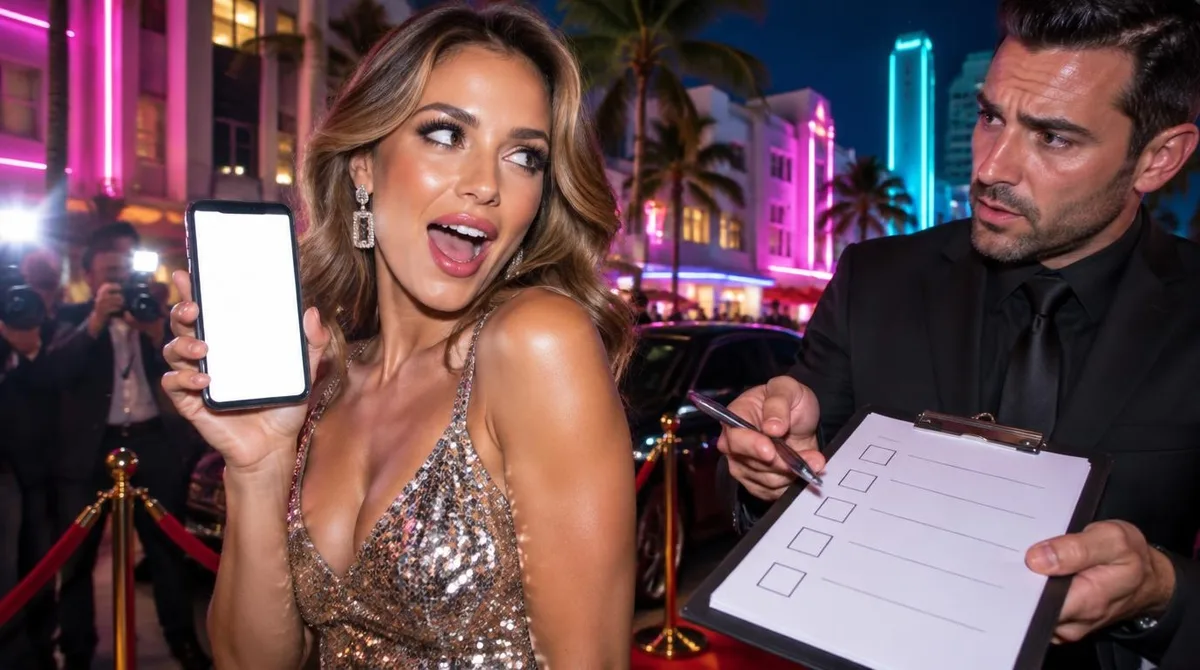
The market is broad by design. Autograph collecting is the hobby of collecting the signatures of famous people. Presidents, military leaders, and athletes sit at the top of the demand list. Scale invites supply, and supply invites forgery.
Online purchases carry the most risk, per the SWAU guide. The warning signs stack up fast. Sellers hide the provenance. Photos are stock images, not the item itself. Prices sit far below market value. Certificates come from sources nobody can trace.
What does a third-party opinion add?
Prices start near $20 per signature. High-value items can pass $100, and turnarounds run from weeks to months. Services serialize their stickers and letters. Buyers can check the number online. Grading is a separate call. It scores the look of a signature, not its truth.
The paper trail has its own rules. A certificate names the item, dates the review, and carries a serial number. Photos of the item on file help a future buyer resell. A generic certificate with no number adds nothing. SWAU and other witnessed dealers attach a hologram at the signing itself.
The limits deserve plain words. The top services never saw the signing, so review happens after the fact. Witnessed models close that gap. Dealers who stage official signings apply tamper-proof holograms. Buyers verify the hologram online in seconds. For related coverage, see Celebrity Account Hacked: What Happens and How It Comes Back.
Conclusion: compare the signature, then the paper trail
Authentication works as a chain. The comparison comes first, the physical evidence second, and the paper trail last. A sticker or letter helps when its number checks out and its issuer stands behind the call. Bullpen is the standing reminder. A smooth forgery can fool a shop, an auction house, and a collector. Only the comparison plus provenance catch it.