A meme is a shared reference dressed up as a joke. You see an image, you recognize the format, and you already know the feeling before you read a word. That is the whole trick. Memes work because they skip explanation.
That is also why they spread so fast. A caption changes, a face changes, but the underlying template stays the same. The reader does the rest. What starts as one person's small observation becomes something millions of people can use to say the same thing.
This piece explains how that happens: where meme templates come from, how they turn private moments into public shorthand, and why some last for years while others vanish in a week.
What exactly is a meme template?
A template is a fixed shape with a fill-in slot. Think of a screenshot with two blank captions, or a reaction photo waiting for a label. The picture carries the emotion. The text carries the specific situation. Together they say something neither could say alone.
The fill-in slot is what makes templates social. Anyone can add their own line without any design skill. The barrier to entry is basically zero, which is the point. A meme that requires effort stops being a meme and starts being content.
Templates also carry a built-in reading order. You learn the format once, and every new version takes seconds to parse. That speed is why memes beat paragraphs when people want to say "this, exactly this" online.
Where do memes actually come from?
Most memes start small: a post in a niche community, a frame from a show, a photo that caught a specific mood. The origin is usually ordinary. What turns it into a template is reuse. Someone strips the context away and keeps the feeling. We covered a connected angle in Trace a viral photo's origin with reverse image search.
According to Know Your Meme, the memes people loved and shared in a recent month drew heavily on screenshots of posts on X, reworked templates, and reaction photos that "channel an inner emotion" — and many of them originated on Reddit. That mix is the normal supply chain: a forum post becomes a screenshot, the screenshot becomes a format, and the format travels.
Tracing that trail matters, and it is the same skill used for any viral claim. If you want the method, our guide on how to trace a viral claim to its original source walks through it step by step.
Why do memes spread faster than plain posts?
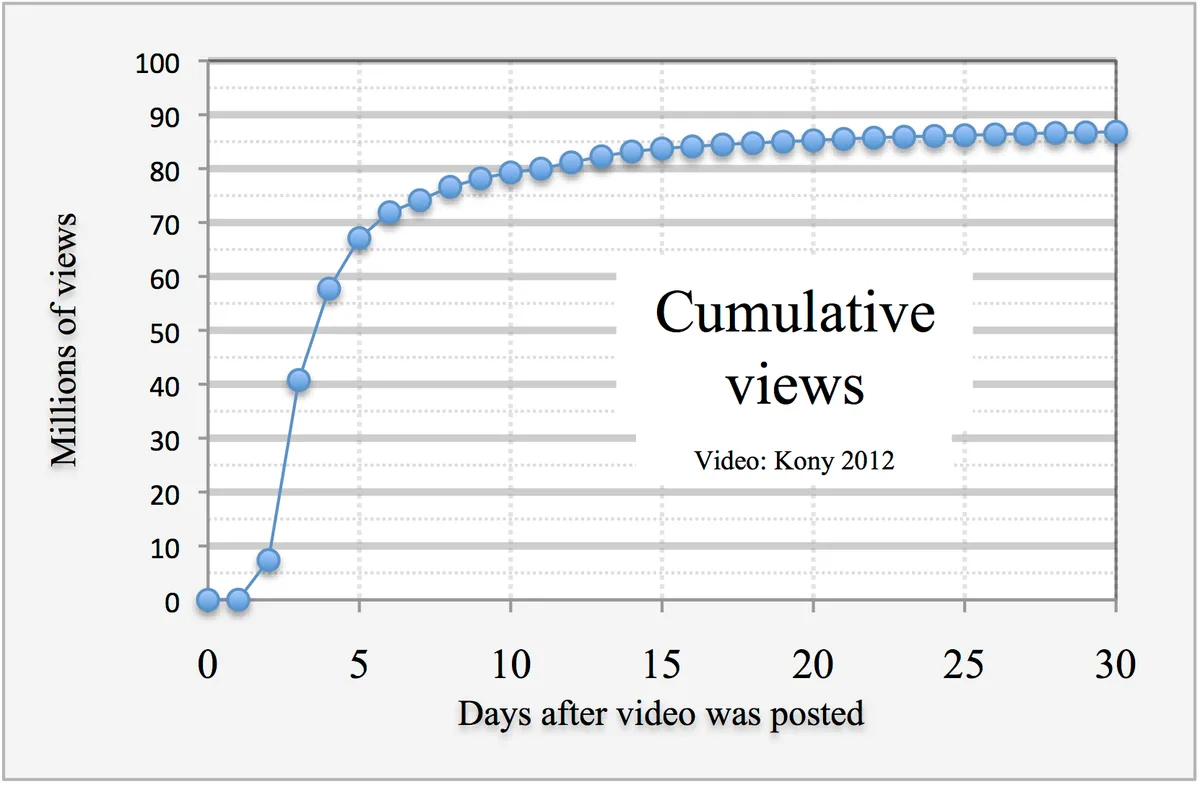
Three reasons, and none of them involve luck. First, recognition: a known template asks nothing of the reader. Second, remixability: the format invites a personal version, and every remix is free distribution. Third, emotional shorthand: a reaction image says "I felt this" without a single sentence of setup.
Relatability does the heavy lifting. The Know Your Meme collection noted that even small, niche moments turn out to be shared widely — the surprise people feel when a very specific annoyance turns out to be universal is itself part of the appeal. A meme about one weird habit lands because thousands of readers had the same habit and thought they were alone.
Platforms shape the speed too. Comment sections and quote-posts reward quick, readable jokes. A format that can be understood in under two seconds has an advantage everywhere, but especially where people scroll fast.
Why do some memes last while others die in a week?
The durable ones are flexible. A template survives when it can carry many different situations without breaking. If the joke only works for one event or one fandom, it burns out quickly. If it maps onto everyday feelings — frustration, relief, small victories — it can run for years.
Timing matters as much as flexibility. A meme tied to a news moment spikes hard and fades. An evergreen template about universal experiences keeps regenerating. The monthly collections that meme archives publish show both kinds side by side: topical formats riding a moment, and familiar faces returning with new captions.
There is also a lifecycle to watch. A format usually starts in a niche community, goes mainstream, gets used by brands and public figures, and then loses credibility with its earliest users. That pattern repeats so reliably that "a brand used it" is often the beginning of the end.
What do memes actually do for online communities?
They act as membership badges. Using a format correctly signals that you are in on the reference. That is why communities develop their own dialects of templates, and why an outsider can sometimes read the words and still miss the meaning.
They also compress arguments. A well-chosen reaction image can end a thread, or start one. In that sense memes are not just jokes; they are positions, stated in a format everyone can read at a glance.
And they connect people across contexts. The same image can appear in a gaming forum, a parenting group, and a workplace chat, each time with a different caption and the same underlying feeling. Few other forms of online communication travel that far that fast.
Our analysis: what this means for how you read the internet
Once you see templates as a language, the feed reads differently. A meme is a sentence. The template is the grammar, the caption is the content, and the spread is the conversation. When a format goes viral, ask what feeling it is carrying — that is usually the real story, not the image itself.
It also explains why memes and misinformation get tangled. A joke format can carry a false claim as easily as a true one, and the humor makes readers less likely to check. If a meme makes a factual claim rather than an emotional one, treat it like any other post. Our checklist on verifying a viral video in five checks applies to screenshot memes too.
The practical takeaway is simple. Enjoy the shorthand — it is one of the genuinely fun things the internet built. Just remember that speed is the format's whole design, and speed is exactly what skips context. A meme tells you how people feel. It rarely tells you what happened.
The bottom line on memes
Memes became the internet's shared language because they do what language does: reuse fixed structures to carry new meaning. Templates supply the structure, captions supply the meaning, and remixing supplies the spread. The evidence from meme archives like Know Your Meme and BuzzFeed's ongoing meme roundups — BuzzFeed still publishes them on a regular schedule — shows the same pattern holding year after year: relatable moments, simple formats, enormous reach.
What remains unknown is which current formats will stick. That is always the open question. The mechanics are stable; the vocabulary changes weekly. Learn the grammar once, and every new template becomes easy to read.