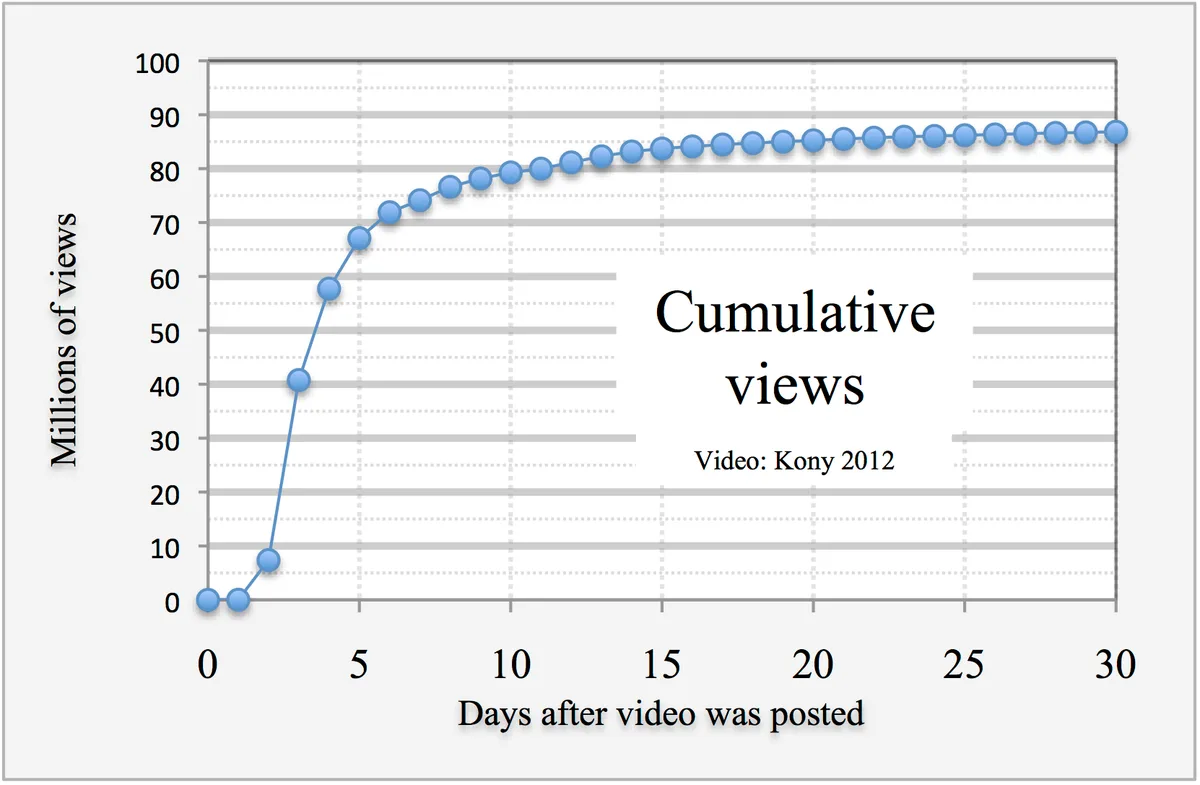
Some videos rack up millions of views in a day. Others, just as funny or just as well shot, die with a few hundred. The difference is rarely quality. It is a mix of timing, emotion, and how each platform decides what to show next.
Merriam-Webster defines the question itself simply: Merriam-Webster lists the noun "why" as the cause, reason, or purpose behind something. For viral videos, that cause is never one thing. It is a stack of small advantages that compound.
This piece breaks that stack down. It covers what platforms reward, what makes people share, and why the same clip can soar on one app and sink on another. For a companion skill, our guide to how to trace a viral claim to its original source shows how to find where a clip actually started.
What do algorithms actually reward?
Recommendation systems are filters. They cannot watch every upload, so they test a new video on a small group of users first. If that group watches to the end, rewatches, or shares, the system shows it to a bigger group. If they scroll past, the video stalls.
That test runs in seconds and repeats in waves. A video's fate is decided by early signals, not by its total view count. This is why a clip from an unknown account can outperform one from a famous name. The algorithm does not care who made it. It cares what the first viewers did.
It also means virality has a luck component. Two near-identical videos can get different first audiences and split in opposite directions. Creators can improve their odds. They cannot control the draw.
Why does emotion drive sharing?
People share for their own reasons, not the video's. A share says something about the sender: look what I found, this is so us, you have to see this. Content that triggers a strong, fast feeling gets sent. Content that triggers mild interest gets watched and dropped.
The feelings that travel best are high-arousal ones. Awe, amusement, anger, and surprise all make people act. Sadness and contentment tend to keep people still. A clip of a dog surfing triggers an immediate "send to my group chat" reflex. A calm, lovely sunset usually does not.
Emotion also explains why outrage travels so fast, and why it so often arrives stripped of context. Anger is one of the most shareable feelings there is. Our breakdown of engagement bait: anatomy of the hook covers how posts engineer that reaction on purpose.
What makes a video easy to share?
Beyond emotion, the hits share practical traits. They are short. They make sense without sound. They land their point in the first second or two, because a viewer's thumb is always one swipe from gone.
They are also legible. A viewer can describe the video to a friend in one sentence. "A cat plays a piano." "A guy pranks his dad with a fake lottery ticket." If a clip needs a paragraph of setup, it has already lost most of its audience.
Relatability does the rest. Videos that capture a feeling many people know, like a relatable work moment or a universal family dynamic, give viewers a reason to tag each other. The share becomes a social move, not just a forward.
Why does the same video flop on one platform and soar on another?
Each platform has its own culture, format, and feed logic. A three-minute vlog can thrive on YouTube and drown on a short-video app where the feed expects six seconds. A polished dance clip can dominate one app and feel out of place on another.
Timing matters too. A video posted into a slow news cycle has more room. The same video posted during a huge event competes with everything else for finite attention. When a topic is already trending, related clips get pulled along with it. That is why several versions of the same moment often go viral at once.
There is also a darker pattern worth naming. Not every hit is organic. Our piece on the anatomy of a staged viral video explains how some "candid" clips are scripted, shot, and seeded to look spontaneous. Popularity is not proof of authenticity.
What this means for viewers
Understanding why videos spread changes how you read a feed. A huge view count tells you a video triggered fast emotion and got an early break. It does not tell you the video is true, current, or unedited. Old clips get resold as breaking news all the time; our explainer on old clips resold as breaking news shows how that trick works.
The practical habit is simple. Before sharing, ask three questions: where did this come from, what am I feeling, and would I still send it if the emotion were dialled down? Our checklist on how to verify a viral video in five checks turns that instinct into a routine.
None of this makes virality predictable. Platforms tweak their systems, audiences shift, and yesterday's formula stops working. What stays constant is the human side: strong feelings, easy formats, and a reason to hit send. The videos that stack those advantages, honestly or cynically, are the ones that explode. Everything else flops.