The podcast studio of today does not just record a show. It hunts moments. Somewhere between the intro and the goodbye, the team is searching for the one exchange that will live on its own as a clip, passed around until millions of people know the show without ever pressing play on an episode.
That shift did not happen by accident. Podcasting grew up, added video cameras, and moved to where the audience already scrolls. Here is how the clip-chasing studio works, and what it borrows from a century of media craft.
Podcasts Stopped Being Audio-Only
A podcast is a program made available in digital format for download over the internet, and for most of its life it was an audio medium. The very word blends iPod and broadcast, and it was coined in 2004. Then video podcasts took off. Per Wikipedia's podcast entry, Bloomberg reported in 2025 that a billion people watch podcasts on YouTube every month.
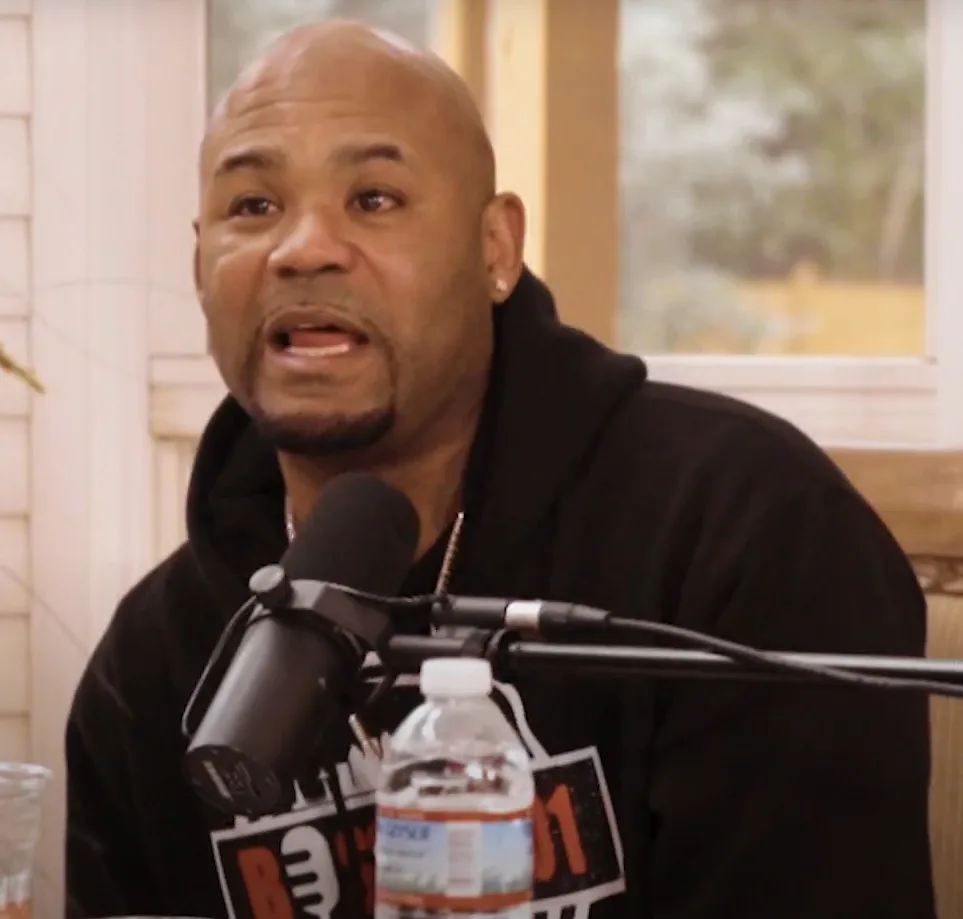
The camera changed the craft. Video opens a show to clipping in a way pure audio never was. A face, a reaction, a walk-off: these are things you can cut, caption, and share. Audio moments go viral too, but video gave studios a far bigger canvas. This connects to our earlier piece, The anatomy of a staged viral video.
The Machinery Behind the Feed
The plumbing matters more than most listeners know. Podcasting is the preparation and distribution of audio or video files to subscribers using RSS feeds, and most studios buy that distribution from hosting companies, which push shows out to directories and apps like Apple, Spotify, and YouTube. The clip pipeline sits on top of the same stack. When a moment hits, it gets cut and posted where discovery already happens.
The field is crowded beyond belief. The Podcast Index listed about 4.7 million podcast feeds, and only about 438,000 had published an episode in the previous 90 days, per Wikipedia. In a pond that size, a studio cannot wait for listeners to find a show. It has to throw parts of the show outward and let the clips drag people back.
Built for the Moment That Travels
Look at how shows are structured and the clip strategy is obvious. A series usually features recurring hosts in discussion about a set topic, with formats running from carefully scripted productions to improvised talk. Recurring hosts give the audience faces to recognize in a feed. Set topics give editors clean lanes to cut from. And a big reveal or a sharp argument, scripted or not, becomes a self-contained object that needs no context.
Production values carried the same lesson. Podcasts can combine elaborate sound production with anything from scientific research to slice-of-life journalism, and that craft now extends to the clip itself: clean audio, tight editing, captions where they help. There is even a failure mode the industry watches for, per Wikipedia: moments that work on video but confuse audio-only listeners, because something was shown and never said.
Why Free Clips Pay the Bills
The economics explain the obsession. Podcasts are usually free or cheap for listeners, so shows survive on sponsorship, advertising, and paid subscriptions. Wikipedia even classifies podcasting as a disruptive medium, one that worked against the traditional revenue models of older media. Free clips sit at the top of that funnel. A viral moment costs the studio nothing to distribute, and it brings in the next wave of subscribers, some of whom will sit through an ad or a membership pitch. Readers following this should also see Old clips resold as breaking news.
The playbook is old. Give the good part away up front, and sell the whole thing to the people who want more. Studios simply run it at feed speed.
The modern podcast studio is built backwards from the share. Video-first feeds, recognizable hosts, clean topics, and ruthless editing all serve one goal: moments that travel beyond the feed and pull people back to the full episode. A billion monthly YouTube viewers make the prize obvious, per Bloomberg's tally. The shows that win respect both audiences, the scroller who wants thirty seconds and the subscriber who wants two hours.