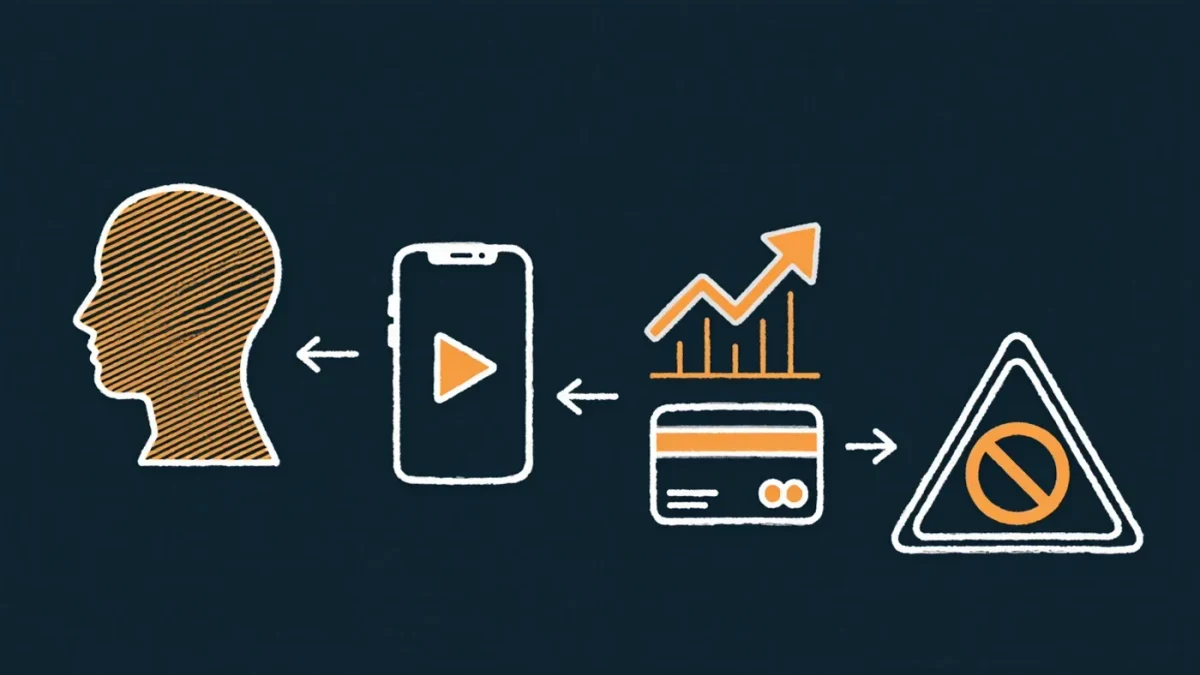
Fake AI celebrity ads follow one script: clone a famous face and voice, have the "star" endorse a crypto scheme or a miracle product, run it as a paid ad on social platforms and video sites, and harvest payments before the report button catches up. The U.S. Federal Trade Commission has warned consumers since 2024 that scammers use AI-generated video and audio of well-known figures to push investment fraud. The star was never involved. The ad is the entire scam.
What do fake AI celebrity ads look like?
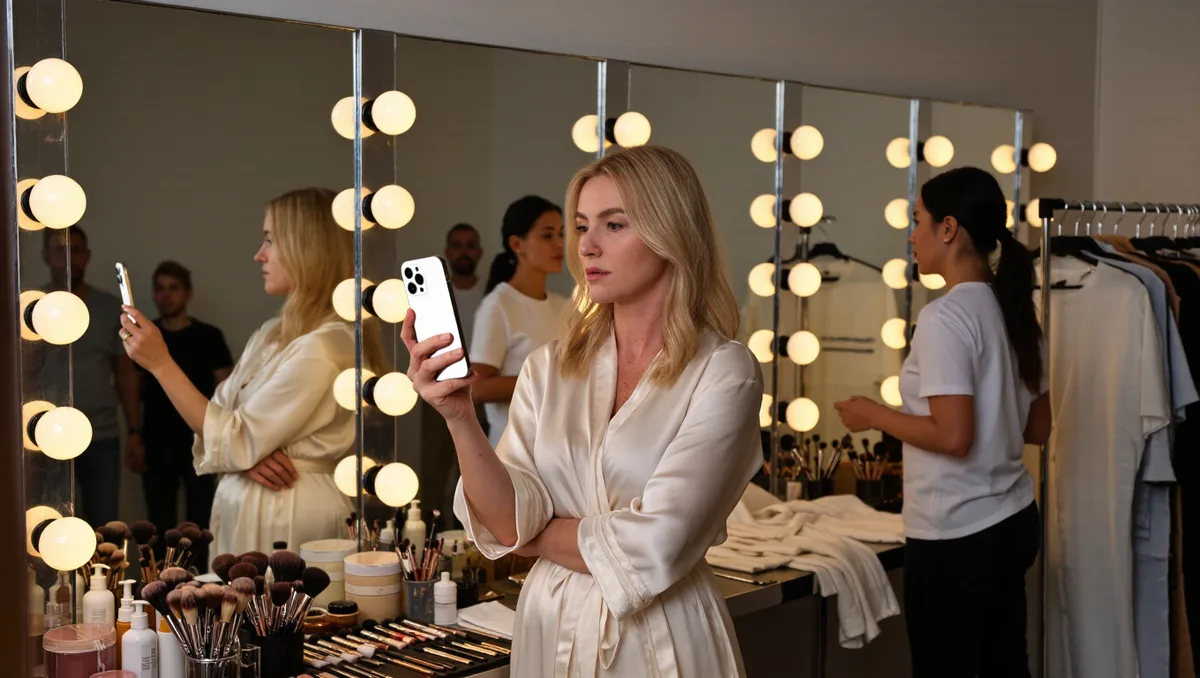
They imitate a familiar format: a clip that looks like a television interview or a podcast excerpt, with a famous face saying they made money on some platform and you can too. The rendering is often slightly off — lip sync drifts, the lighting flattens, the voice has a processed smoothness. But platforms autoplay with sound off and low resolution, which hides the flaws. The ad does not need to pass inspection. It needs to survive three seconds.
Why do scammers clone celebrities specifically?
Because borrowed trust converts. A face the viewer has seen for decades arrives pre-loaded with credibility the scammer did not have to earn. That is the entire economics: cloning a voice is cheap, media buyers accept almost any creative that pays, and the conversion rate on a trusted face beats any graphic a fraud ring could design itself. The celebrity's brand is the free ingredient.
How do you spot the clone in the ad?
Four signs repeat. The claim is always financial or medical — a trading system, a crypto giveaway, a cure — never anything the star actually endorses. The call to action is a link, a QR code or a phone number, pushing you off the platform immediately. The footage never matches a datable real event; you cannot find the interview it came from. And the star's own verified accounts say nothing about it, anywhere, because real endorsement campaigns come with public announcements.
What should you do when an ad shows a star pushing an investment?
Treat it as fake by default. Check the star's verified accounts and known endorsement history — a real deal leaves a trail of press releases and trade coverage. Never use the link in the ad. The FTC's guidance is blunt: no legitimate investment is sold to strangers through a celebrity video ad, and anyone demanding urgent deposits after such an ad is running fraud. Report the ad to the platform; that kills the campaign faster than commenting does.
Can the platforms not just block these?
Partially, and only after the fact. Ad systems review creative before it runs, but AI content is generated at industrial scale, and each variant slips back in under new accounts. Reporting works — repeated reports trigger takedowns and account bans — but the same operation resurfaces. The gap between detection and takedown is the window the scam lives in, and it is measured in the hours during which the ad pays for itself.
Which faces get cloned most?
The pattern is consistent: news anchors, billionaire entrepreneurs and film stars with decades of public footage. Anchors supply the studio lighting and interview framing that match the fake format. Entrepreneurs fit the financial pitch. Actors supply recognition across every age group the scam targets. The common requirement is archive volume — the more real footage exists, the better the clone. Confirmed pattern, visible across the regulator warnings and the platform takedown reports cited above.
Does a small-print disclaimer make the ad honest?
It does not. Some fraudulent ads carry buried disclaimers — 'digital creation,' 'not an actual endorsement' — that shift liability arguments without changing what the viewer absorbed in three seconds. Consumer-protection agencies have treated fake endorsements as a deceptive practice regardless of fine print. For the reader, the register is simple: a disclaimer you need to squint at is part of the costume. Judge the ad by the claim and the link, not the footnote.
Has anyone been held accountable?
Regulators have moved against the underlying fraud, and consumer-protection agencies in several countries have issued public warnings about AI-cloned endorsements, confirmed by government consumer agencies as of 2025. For the viewer, the legal aftermath does not recover money. The only reliable protection is upstream: no ad, however convincing the face, gets your payment details.