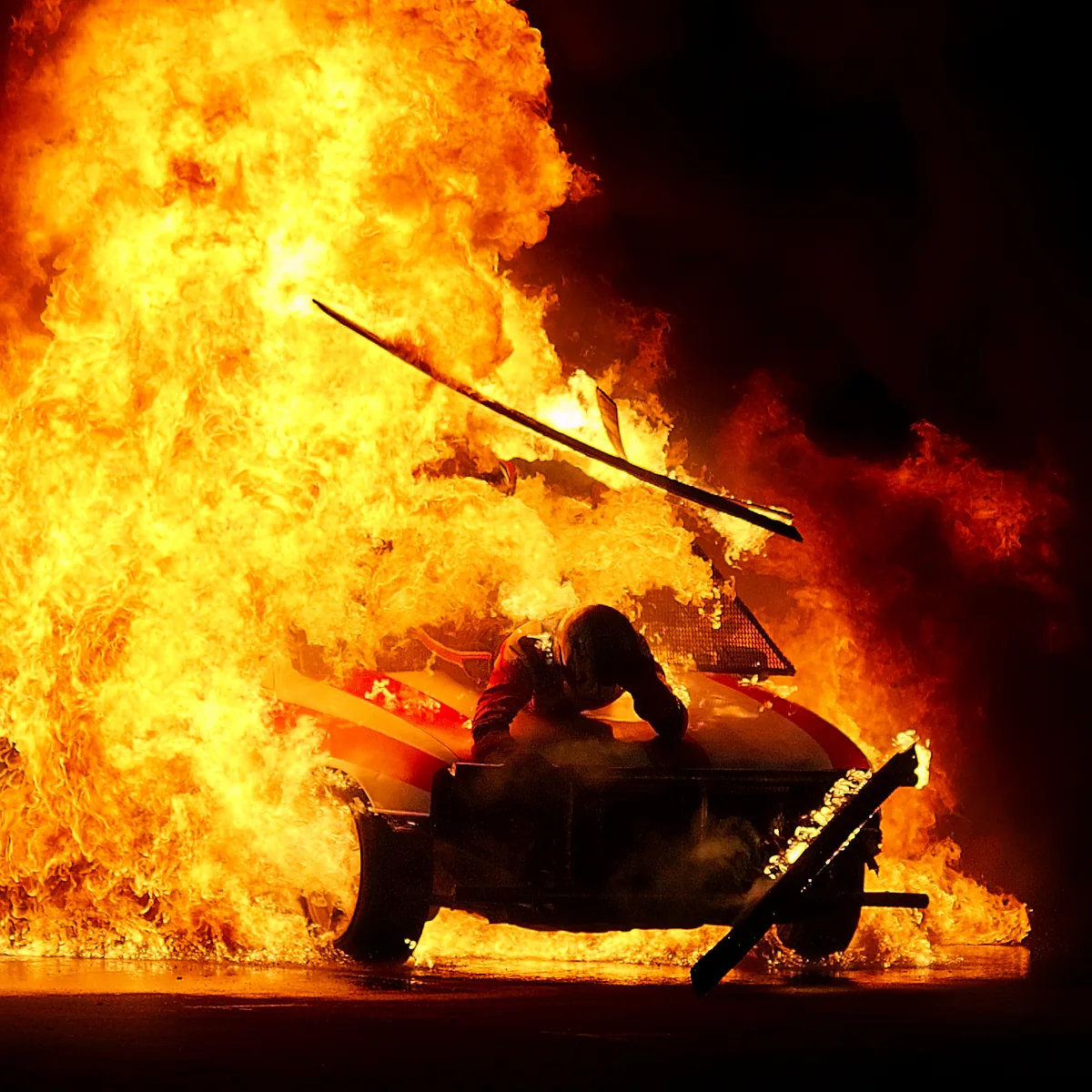
The claim that computer effects made stunt performers a dying job is false. The Academy's Board of Governors created a stunt design Oscar on April 10, 2025, per Variety, after a push that began in the early 1990s. The craft never left the set.
The job stays what it always was: trained performers taking the hits the credits do not show. The reference entry on the trade describes it plainly, and the record below separates what is documented from what viral posts assume.
What does a stunt performer actually do?
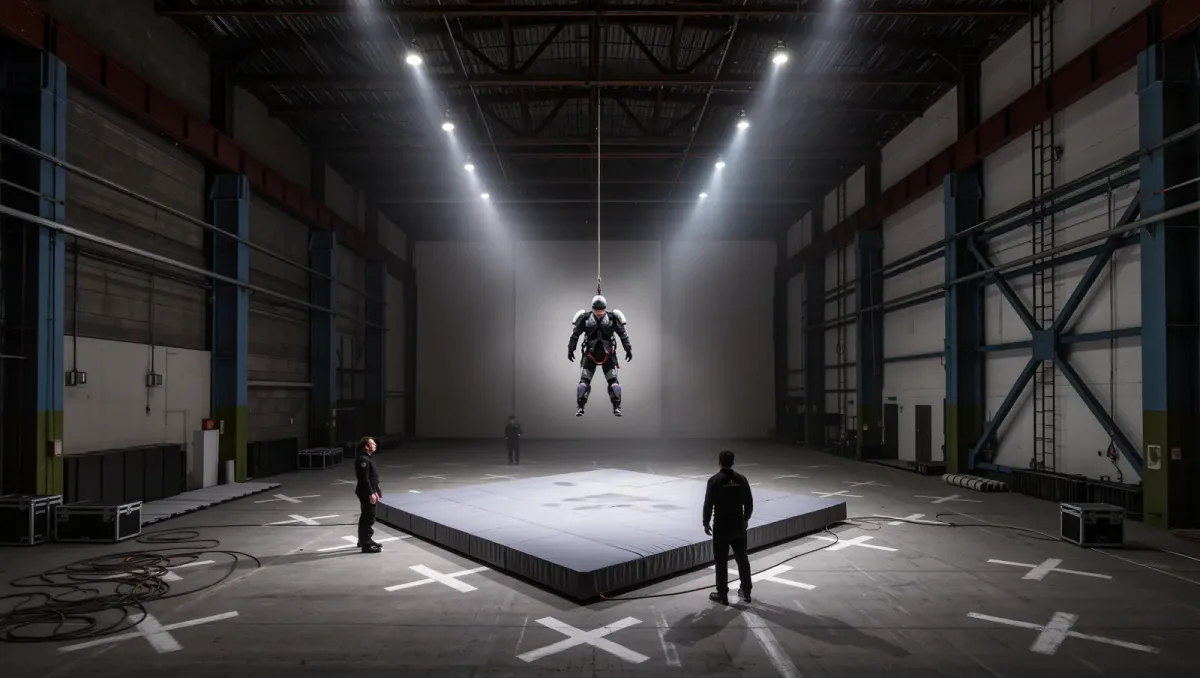
The definition is concrete. The reference entry calls the work a trained professional performing car crashes, falls from height, drags, and explosion effects on screen. When they stand in for a named actor, they work as stunt doubles. Choreography and rigging make danger look real while safety stays built in.
The screen hides the proof. The entry notes that filmed performances let editors remove visible safety mechanisms, which is why the work reads as magic. It also notes the insurance bar: performers certify with a professional stunt organization before they can work.
Where did the Oscar campaign start?
The push is decades old. The Hollywood Reporter traces it to stuntman Jack Gill in the early 1990s, who spent 34 years on the question after Academy leadership told him change might take three to five years. The trade also counts around 100 stuntpeople now inside the Academy's production and technology branch.
The endgame got famous faces. Filmmaker David Leitch, a former stunt performer, and designer Chris O'Hara made the presentations to the board. At the premiere of "The Fall Guy," Ryan Gosling called the movie "just a giant campaign to get stunts an Oscar."
What did the Academy confirm?
The decision is on the record. Variety reported that the Board of Governors approved an annual competitive award for achievement in stunt design, starting with the 100th Academy Awards in 2028 for films released in 2027. Academy CEO Bill Kramer and president Janet Yang said stunt design has been part of filmmaking "since the early days of cinema."
Recognition came late, but not from zero. The reference entry records honorary Oscars for Yakima Canutt in 1967, Hal Needham in 2012, and Jackie Chan in 2016. Television has handed out an Emmy for stunt coordination for years. We covered a connected angle in Trailers out of context: the editing tricks that build false expectations.
How risky does the record say the job is?
The entry keeps its tone flat and its facts hard. Stunts are choreographed and rigged so the danger reads real while the mechanisms stay out of frame. Even then, the entry states that performing stunts often results in unplanned injuries, and that the work remains dangerous and physically testing.
The discipline exists because of that math. Certification with a professional stunt organization is the entry's stated path to insurance, and planning each sequence sits inside the training. The job is controlled risk, not luck.
What do viral claims get wrong?
The claims and the evidence:
- The claim: computer graphics replaced the crashes and falls. The evidence: the reference entry describes choreography and mechanical rigging doing the work, with safety mechanisms built in and edited out.
- The claim: stars do all their own stunts. The evidence: the entry defines stunt doubles as trained performers who take the actor's place, and insurance requires certified professionals.
- The claim: recognition appeared out of nowhere. The evidence: The Hollywood Reporter documents Jack Gill's 34-year push and the presentations by Leitch and Chris O'Hara.
Conclusion: the risk is the point
Stunt performers never went away, and the record now says so in Oscar statute. Confirmed: the Governors vote on April 10, 2025, and the first award at the 2028 ceremony for 2027 films. Documented: the 34-year campaign, the honorary awards, and the rigging that makes danger survivable. The entry keeps its bluntest line, that stunts remain dangerous and physically testing. That is the job, done by names the credits rarely carry. For related coverage, see How awards voting actually works: academies, ballots and the envelopes.