A movie trailer is an advertisement, not an excerpt: studios reorder shots, splice together lines spoken minutes apart and set footage to licensed music that never appears in the film. This is standard practice, refined over decades of theatrical marketing, and it works because audiences treat a two-minute cut as a promise of the film's content. When the finished film differs — in tone, plot or even which scenes survived — the gap is not an accident but the product of choices made in an edit bay.
Why do trailers use music that is not in the film?
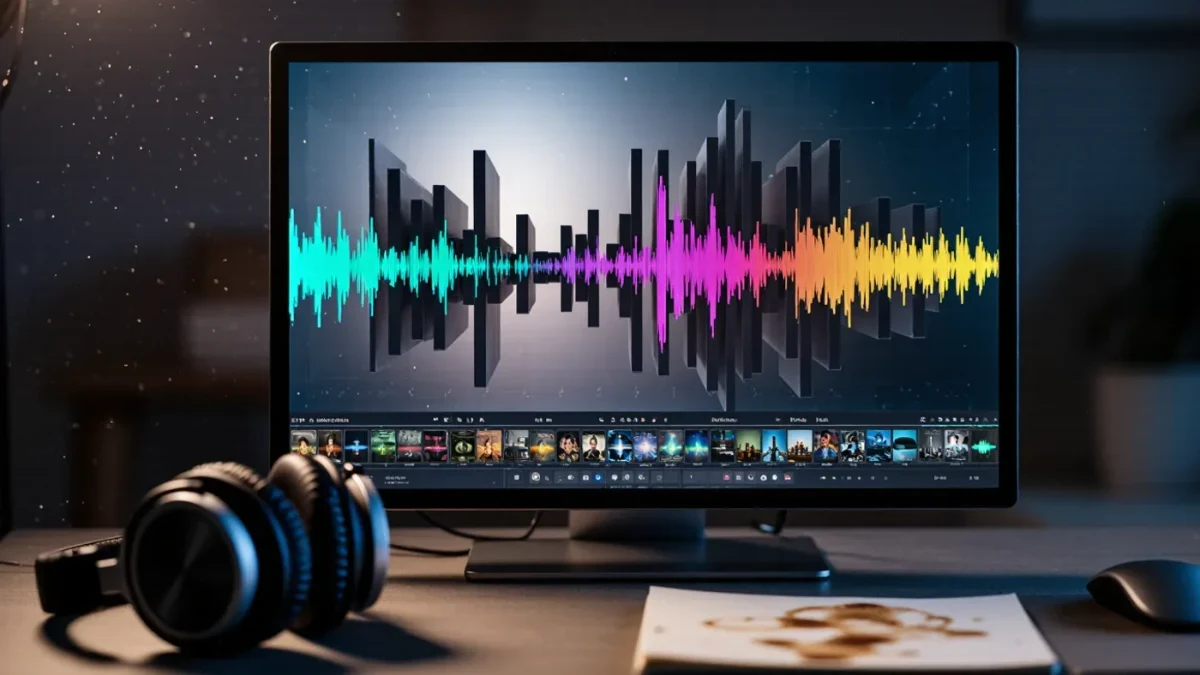
Because trailer music is chosen to sell a feeling fast. Dedicated production houses compose trailer scores — big builds, bass drops, the now-familiar rising "braam" — specifically for advertising, and licensing a recognizable pop song for a spot is cheaper and faster than clearing it for the film itself. The practice is so established that trailer versions of songs, slowed or rearranged, became a recognizable style of their own in the 2010s.
The mismatch is legal because the trailer is a separate work promoting the film, not a representation of its soundtrack. But it sets a tonal expectation the film may never intend to meet: somber dramas cut to upbeat pop, comedies cut to epic orchestral builds.
How does reordering shots change a story?
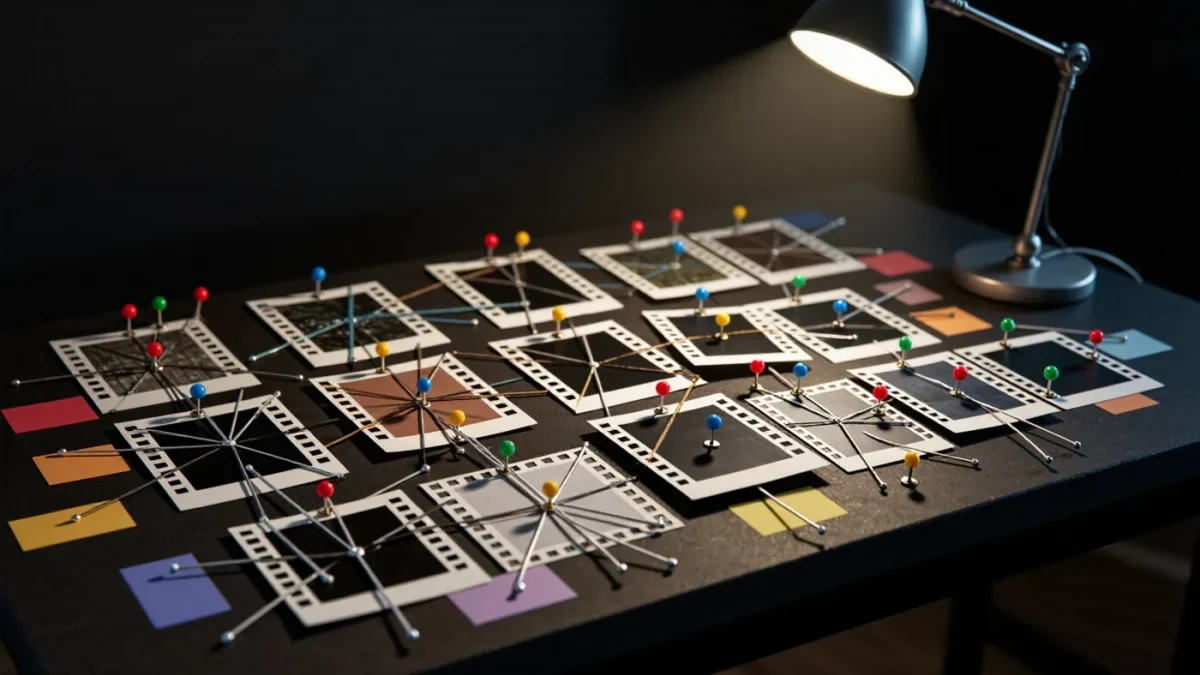
Sequence is meaning. A trailer can take a reaction shot filmed for one scene and place it after a line from a different scene, manufacturing an exchange that never happened. Editors call the broader practice of repurposing footage for advertising "creative editing"; in unscripted television the same technique is known as frankenbiting, and it carries the same risk — audiences infer cause and effect that the film's actual cut does not contain.
Shot order also manufactures mystery or romance. Two characters shown side by side in a trailer can appear to be a couple even if they share one scene in the film. The trailer has not lied in words; it has simply arranged true images into a false implication.
Do trailers include scenes that get cut from films?
Sometimes, yes. Trailers are often finished while the film is still being edited, so footage can run in advertising weeks before the final cut locks. If a scene is trimmed or reworked afterward, the trailer keeps advertising a moment that does not exist in release prints. Historical examples are numerous enough that audiences routinely compile lists of trailer-only shots for major franchises.
The reverse happens too: reshoots ordered after a trailer's release can change a film's storyline outright, leaving early spots promoting an abandoned version of the project.
What is a "trailer moment"?
A shot engineered to sell the film in two seconds — a star's entrance, a quip, a visual spectacle — and industry coverage has long acknowledged that such beats are sometimes conceived with advertising in mind rather than story needs. When a film's best moment is its trailer moment, the feature often feels thinner than its advertising, which is precisely the disappointment the technique risks.
Why do comedy trailers put jokes out of order?
Front-loading. Marketing teams put the strongest, broadest jokes in the first spot, sometimes with alternate takes that play bigger in isolation. By release, audiences who watched every trailer have heard the punchlines, a complaint so common that studios began holding back material in later spots. Jokes also gain from setup delivered elsewhere in the film; ripped from context, they can land differently — better in the trailer, flatter in the theater, or the opposite.
How can you tell a trailer is manipulating you?
Watch for structural tells rather than content. A voiceover or on-screen text selling a premise that no dialogue in the spot actually supports. Reaction shots that answer lines they clearly were not filmed against. A needle-drop doing emotional work the footage does not earn. Dialogue that cuts off mid-sentence — the audio equivalent of a jump cut — is the most reliable sign that two separate moments were stitched together.
Also compare spots over time. If a second trailer quietly drops a character or subplot the first one featured, the film likely changed — or the first campaign was testing an angle that did not survive.
Is any of this regulated?
Barely. Advertising standards bodies in some countries police outright falsehoods in ads, but creative editing in trailers sits in the same tolerated zone as food styling and concept-car photography. The industry's real constraint is commercial: a trailer that promises the wrong film suppresses word of mouth in week two. Marketing misfires of that kind have been blamed for notable box office drop-offs, which is the discipline studios actually answer to — audience trust, not regulators.
The practical rule for viewers is simple: a trailer is a persuasion instrument reporting to a marketing department. Enjoy it as craft. Do not treat it as evidence of what the film is, how it is structured, or even which scenes it contains.