Community Notes, launched on Twitter as Birdwatch in January 2021 and renamed in 2022, attaches reader-written context to posts. The core idea is bridging, not majority voting: a note only publishes when raters who usually disagree rate it helpful. Studies of the program, including research covered by Nature in 2024, found the algorithm measurably favors notes with cross-partisan appeal.
Who writes and rates Community Notes?
Volunteers. Anyone can apply to become a contributor, but new raters start with limited abilities and earn writing permissions through rating accuracy. A contributor who consistently rates in line with the eventual outcomes gains standing. X says the system has hundreds of thousands of contributors as of the mid-2020s, and it is open-source in design: the ranking algorithm is published on GitHub for anyone to inspect.
When does a note actually appear?
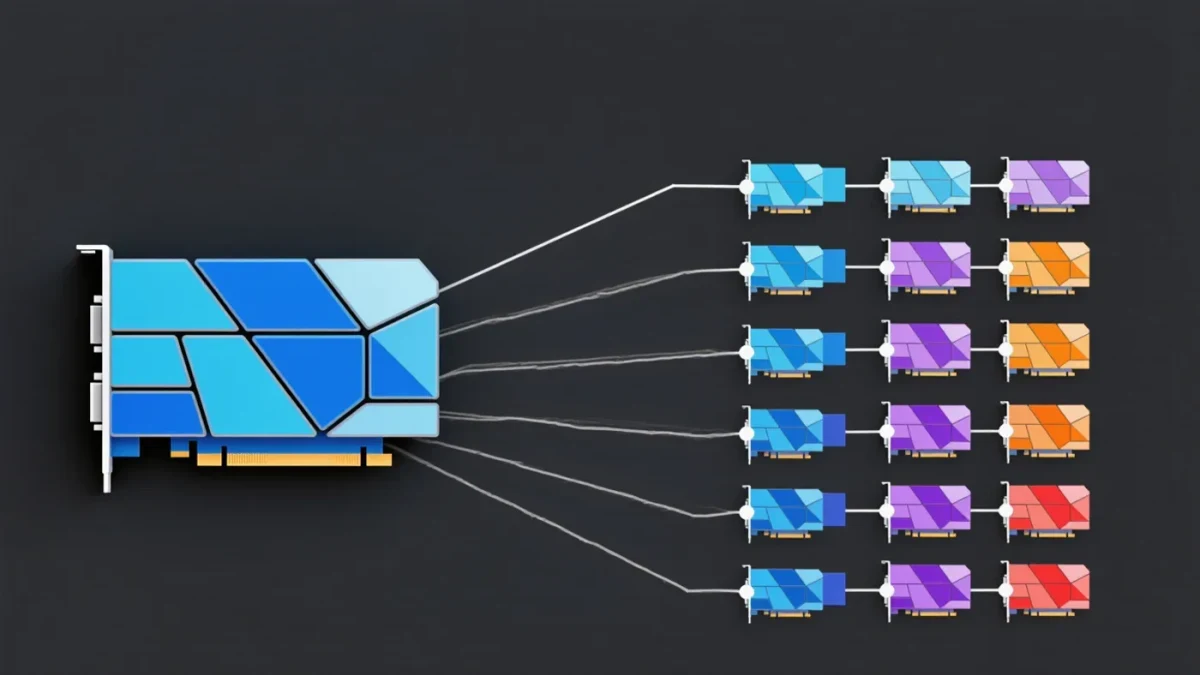
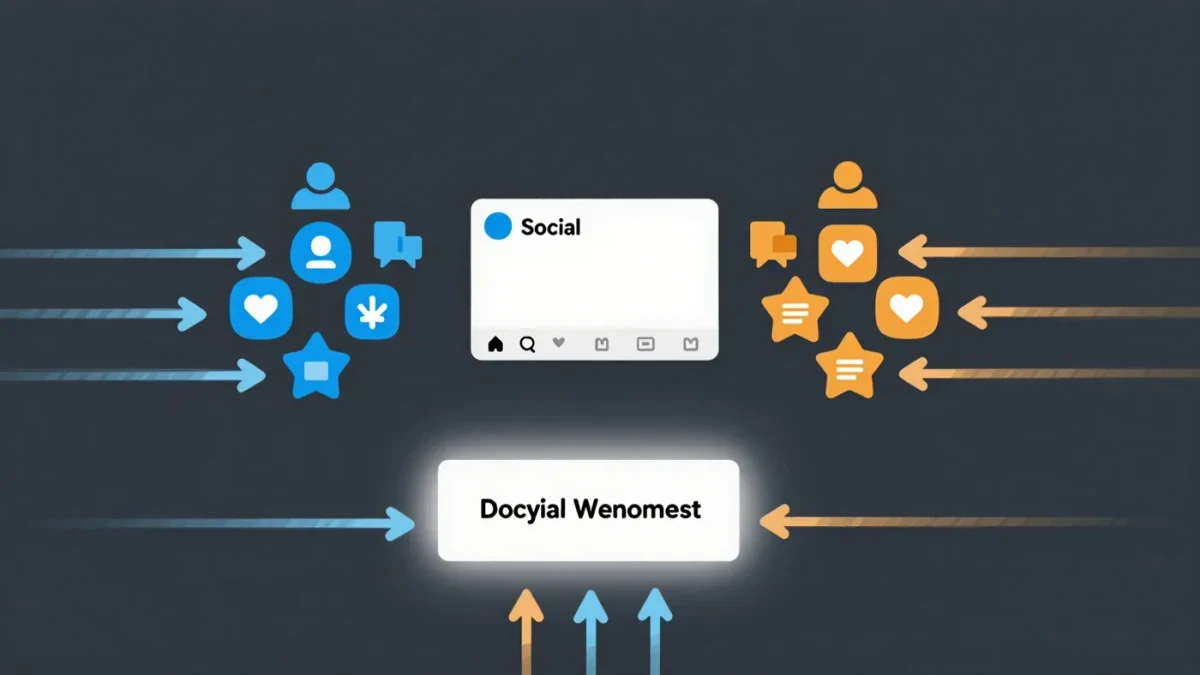
Only when agreement crosses a threshold between rater groups. The algorithm splits raters into clusters based on how they rated previous notes. A note needs a high helpfulness score within each cluster, not just overall. This is the bridging requirement. A note that delights one political side and angers the other will not publish, which filters out the most partisan submissions by design.
What are the known limits?
Speed, coverage and language. Notes take hours or days to reach consensus, so viral posts often peak before context arrives. Coverage skews toward high-visibility English-language content, leaving smaller languages and niches under-served. And notes cannot appear on content that is deleted, removed by moderators, or outside the platform entirely — screenshots travel without their notes. Meta ended its third-party fact-checking partnership program in the US in early 2025 and announced a shift toward a community-notes-style model, which makes understanding the method's limits more important, not less.
Can bad actors game the notes?
They try, and the design anticipates it. Because standing depends on rating with eventual community outcomes, coordinated groups that rate dishonestly tend to lose influence over time. But researchers have documented attempts at manipulation, and the defense is statistical rather than perfect. X publishes its data so outside researchers can audit outcomes, which is more transparency than most platform systems offer.
Is a Community Note a verdict?
No. A note is context that a diverse group of volunteers found helpful. It is not a fact-check from a named newsroom, and it carries no editorial accountability. Most notes link to primary sources, and the good ones do the reader's verification work for them. But a note can be incomplete, and a missing note means nothing at all — absence of a note is not confirmation of a post's accuracy.
How to read a note in ten seconds
- Check the note's links: primary sources beat commentary.
- Check the date of the linked evidence against the claim.
- If no note exists, verify the claim yourself before sharing.
Why the model matters beyond X
Community Notes became the most-studied alternative to professional fact-checking on social platforms. Its published data let academics measure what crowd context does to sharing behavior — Meta cited research on the method when announcing its 2025 policy change. The honest summary is narrower than the hype: crowd context is a useful layer, it works best on clearly checkable claims, and it does not replace sourcing discipline. Treat every note as a lead, and every note-less post as unverified until you check.
What kinds of claims do notes handle best?
Notes perform strongest on checkable facts: a wrong date on a photo, a mislabeled video location, a fabricated quote with a traceable origin, a statistic missing context. These are binary or near-binary claims where a primary source settles the question, so disagreeing rater clusters can converge. Where notes struggle is interpretation — whether a policy is good, whether a statement was intentional, whether a trend matters. Those posts generate notes that split along rater-cluster lines and never clear the bridging threshold. The result is selective coverage that mirrors the method's design: consensus context on hard facts, silence on judgment calls. Readers who understand this pattern know why some obviously disputed posts carry no note, and why the presence of a note usually points to something concretely checkable rather than merely contested.
What should change in how you share?
One habit: never treat a note as the end of a check. If a note exists, open its primary source yourself — notes occasionally cite commentary that cites older commentary, and the chain matters. If no note exists, remember the coverage gaps: new posts, small languages and niche communities are where the method is weakest, and they are exactly where the wildest claims circulate with no correction attached. Sharing within minutes of encountering a post is the behavior the consensus system cannot keep up with. Waiting a few hours changes what you see, because context, when it arrives, usually arrives with receipts. The readers who benefit most from Community Notes are the ones who behave as if it did not exist: they check the source, then read the note as a bonus. That order never fails, in either direction.