TikTok rumors spread as stitched reactions, duets and remixes, which strips claims of their origin before they reach you. The verification method is therefore the same one fact-checkers at Reuters and the BBC apply to any viral claim: find the first poster, find the original video, and find the named source behind the assertion. TikTok added a rule in 2022 requiring disclosure on government-controlled accounts' content, but disclosure is rare and enforcement is partial — the reader does the tracing.
Why do rumors travel differently on TikTok?
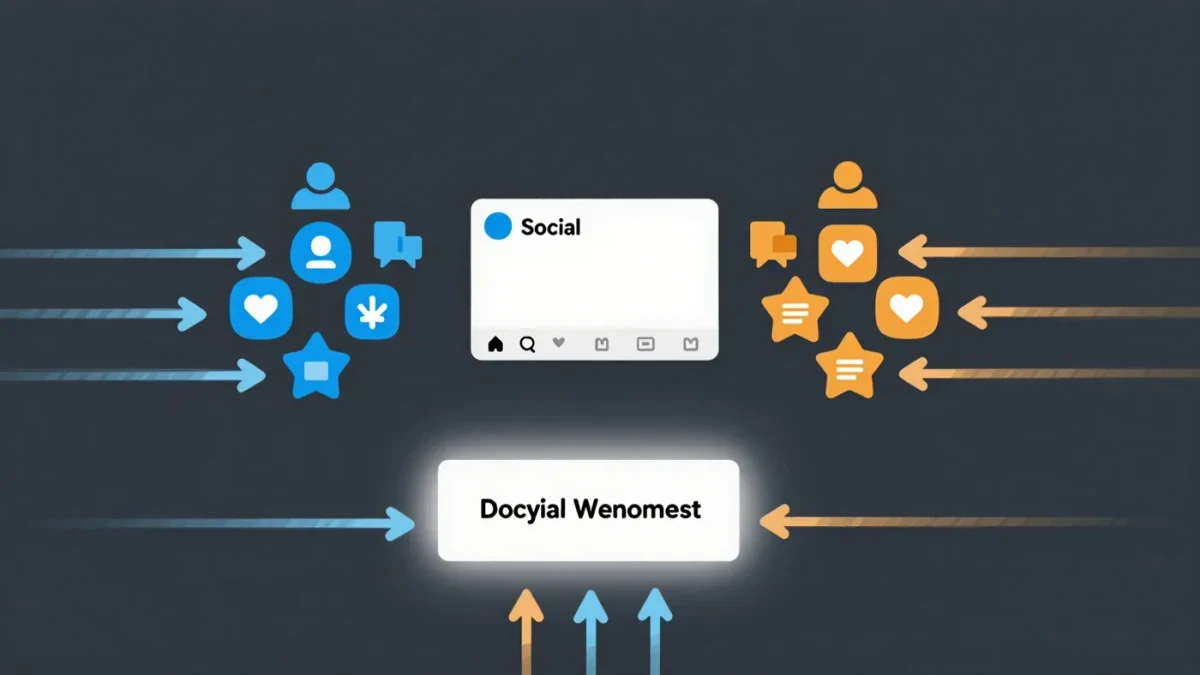
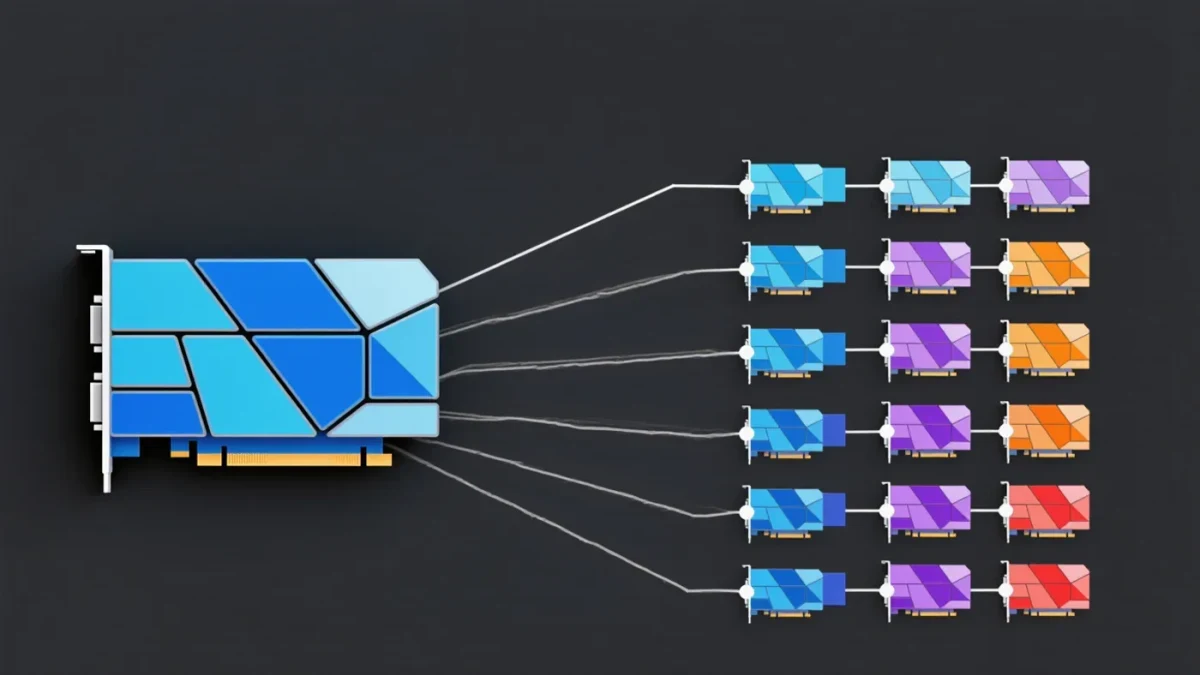
Because content is remixed, not linked. On text platforms a claim keeps a share trail; on TikTok the same claim reappears in new videos by new creators, each presented as personal observation. Within days, a rumor posted by one account exists as thousands of independent-looking videos. The platform's recommendation flow rewards emotional response over provenance, so the least sourced versions often travel furthest.
What does tracing to the source look like in practice?
Search the exact claim phrase in the app's search bar, oldest first where possible, and look for the earliest video asserting it as fact rather than reacting to it. Then take one distinctive frame and run a reverse image search, and search the claim outside TikTok on news sites and fact-check pages. What you are reconstructing is the chain of custody: who first said it, what they pointed to, and whether anything named was ever verified.
What marks a TikTok rumor as unverified?
Three recurring shapes. The anonymous insider: a voiceover claiming a friend of a friend saw something, with no names. The recycled clip: footage of a real event presented as new, exposed by reverse image search. The screenshot chain: a video of a screenshot of a post, layers deep, no link to any original. Each shape fails the same test — no primary source, no date, no named party.
The five-step TikTok check
- Search the exact claim wording to find the earliest asserting video.
- Reverse image search a distinctive frame.
- Search the claim on news and fact-check sites outside the app.
- Check whether any named official, document or on-record source exists.
- Label it: confirmed, unconfirmed or false — then decide about sharing.
Why stitches and duets muddy provenance?
A stitch shows a fragment of the source video, selected by the reacting creator. The fragment can omit the caveat, the date or the correction that changed the original's meaning. Duets layer commentary over commentary. By the third generation, the claim's wording, context and attribution have all been altered, and no viewer can see the drift without digging back to the first video. That drift is where false rumors acquire their confidence.
Does TikTok itself flag rumors?
Sometimes. The platform has used content labels for unverified and manipulated content, and its community guidelines prohibit misinformation in defined categories. But labels appear after review, in limited categories and lag viral spread. BBC analysis of TikTok misinformation has repeatedly noted the gap between policy and enforcement at recommendation speed. Platform labels are a bonus, not a method.
What if the source checks out but the remix doesn't?
That is the most common outcome. A real news clip, correctly reported, gets restitched with a false summary — the footage is genuine, the caption is invented. Your verification verdict applies to each layer separately: footage confirmed, framing false. Keeping the layers distinct is the whole discipline, and it is why the method starts at the source and never at the video in front of you.
What should change in how you share?
Adopt the same wait that editors use. A claim worth sharing today is worth sharing tomorrow, after a search; a claim that must be shared this minute is engineered for exactly that urgency. When you do post, name what you checked — the first uploader you found, the reverse image result, the fact-check you read. Public verification changes what your followers do: a comment that says I searched this and the earliest video is from 2019 does more against a rumor than ten reposts of alarm. And when your own tracing fails — no origin, no matches, no coverage — say that too. Unconfirmed is a real verdict at this site, and sharing it honestly is more useful than silence or a guess. The method ends in a label, not a feeling.