The Internet Archive's Wayback Machine, publicly launched in 2001, has preserved hundreds of billions of web captures, and fact-checkers at Reuters and the BBC use archived versions routinely to verify what a deleted page once said. A deleted viral post is therefore rarely gone. What is gone is easy access — and the reader who knows how to pull an archived copy holds better evidence than anyone holding a screenshot.
Why do viral posts disappear?
For four overlapping reasons. Retraction: the author learned the claim was false. Scrutiny: the post attracted fact-checking and was quietly removed. Strategy: an account deletes old content to hide its history before a pivot. Platform action: moderation removed it for policy violations. The motive is invisible; the archived capture is not. Deletion itself is a signal worth checking, never a proof of guilt.
How do you find a deleted post's archived copy?
Paste the post's URL into the Wayback Machine and check the capture calendar. For social posts, captures depend on someone having archived the URL before deletion — bookmarklets and archive bots do this automatically for trending links. Other layers help: search engines' cached copies exist briefly, and posts are often re-quoted on other platforms, forums and news articles, which preserves fragments even when the primary URL was never captured.
Why is an archive capture better than a screenshot?
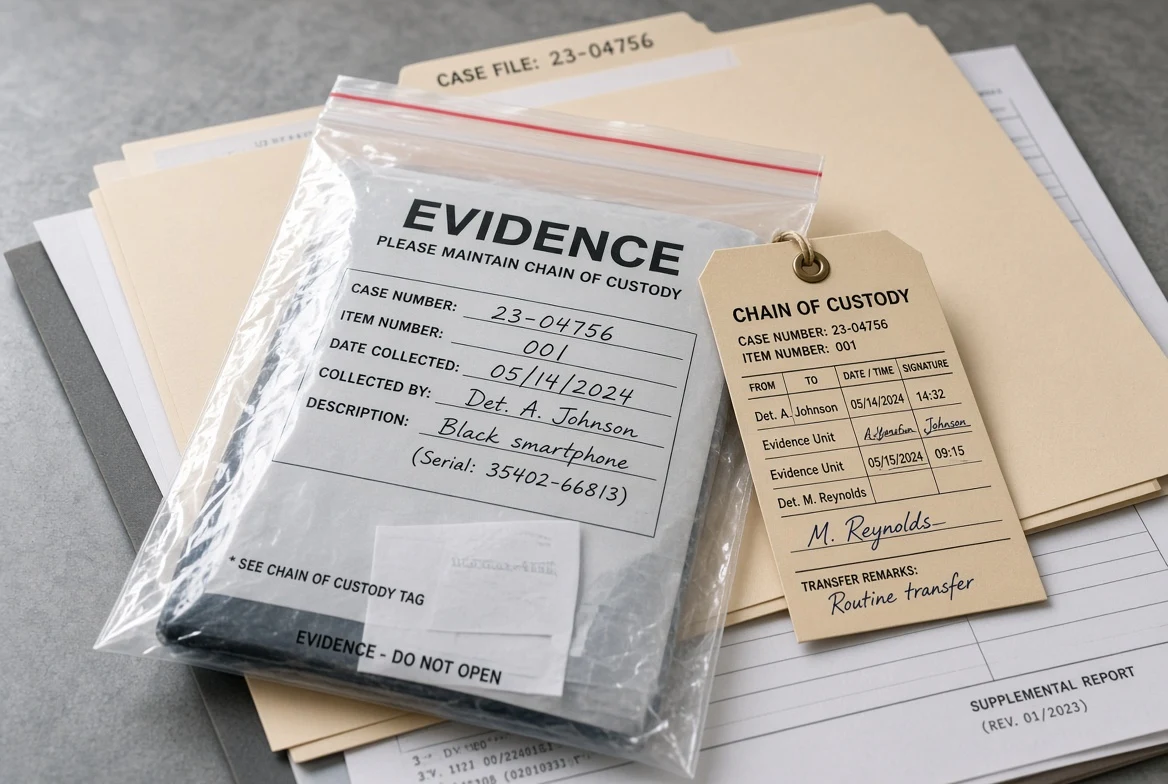
Because it carries metadata a screenshot cannot fake. A Wayback capture records the URL it fetched, the date of fetching and the page as served — a chain of custody. A screenshot records nothing verifiable: it can be edited, redated or fabricated entire. Fact-checkers treat screenshots as leads and archived captures as evidence. When both exist and disagree, the archive wins.
Evidence hierarchy for deleted content
- Archive-service capture of the original URL, timestamped.
- contemporaneous quotes in dated news coverage or fact checks.
- Re-posts and re-quotes on other platforms, approximate.
- Screenshots, unverified until corroborated.
What about deleted posts inside apps?
Harder. Feeds inside apps are not web pages, so link archiving misses much of TikTok, Instagram Stories and private groups. Coverage is patchy and depends on third-party trackers or screen recordings made at the time. This is the real archival gap of the platform era: the most ephemeral formats are the least preserved, and verification there leans on contemporaneous reporting rather than archives.
Can deletions hide a whole account's history?
Sometimes, and that is when pattern evidence matters. Researchers compare what the account posted before the purge — preserved in quotes, captures and replies — with its behavior after. A rebranded account that deleted hundreds of posts while keeping the follower base is a documented tactic in influence operations; Meta's takedown reports have described networks doing exactly this. Mass deletion is not proof of manipulation, but it is a documented behavior of manipulators, which makes the archive check the natural first step.
How should readers treat a deleted post they never saw?
With two questions. First, does an archived or quoted version exist — search the URL in the Wayback Machine and the exact phrasing on fact-check sites. Second, who benefits from the deletion, and did any outlet note the deletion at the time? If no capture, quote or report exists, the honest status is unconfirmed, not false. A vanished post is a claim about which evidence was lost — and the reader's job is to find out whether it was ever really there.
What should change in how you preserve?
If a post matters — as evidence, as a record, as a claim you may need to check later — archive it while it exists. The Wayback Machine's save-page-now function captures a URL on demand, and bookmarks of key posts made today are tomorrow's verification trail. This matters most for posts you find suspicious: the ones likely to be deleted are exactly the ones whose deletion will later be denied. Screenshot as a backup, but treat the timestamped capture as the record, because it is the version a third party can independently confirm. Journalists and fact-checkers work this way as routine, not paranoia — capture first, argue later. The reader who archives a dubious post in the moment holds evidence that no amount of later deletion or account scrubbing can touch. Preservation is verification's insurance policy, and the premium is one click.