BookTok — TikTok's reading community — moves book sales at a scale publishers now market around, but its viral claims mix verified publishing news with rumor. The claims worth checking come in three families: deal and release rumors, 'this book is being banned' lists, and quotes or scenes attributed to books. Each checks against a different authority — the publisher, the school district or library record, and the book itself — and none of them checks against the comment section.
Why does BookTok generate so many false claims?
Speed and stakes. Publishing news that once traveled through trade press now breaks as forty-second videos, often secondhand. A deal rumored, an option announced, a publication date guessed — each retelling drifts, and the drift compounds because the community rewards urgency. BookTok has demonstrably driven bestseller revivals, which means money follows attention, and attention follows claims, verified or not.
How do you check a deal or release rumor?
Against the publisher and the trade press. Rights deals are announced by publishers, agents or the authors themselves, and reported by the publishing trade press, whose business is accuracy about deals. A 'sequel confirmed' video with no publisher post, no author statement on their own channel and no trade coverage is unconfirmed. Release dates are even simpler: retailer listings and publisher catalogs are public, and a date that appears nowhere official is a guess.
What about 'banned book' claims?
These check against documented challenges. In the United States, school and library book challenges are recorded by districts themselves, by state education bodies, and tracked by organizations like the American Library Association, which compiles challenge data. A viral list claiming a specific ban is confirmed only when the district or library's own decisions, or tracking that cites them, backs it. Some viral lists are accurate; others inflate proposals to completed bans, or recycle national lists as local news. The distinction — a parent requesting removal versus a board voting it — is the entire story, and it is checkable.
Do BookTok quotes really come from the books?
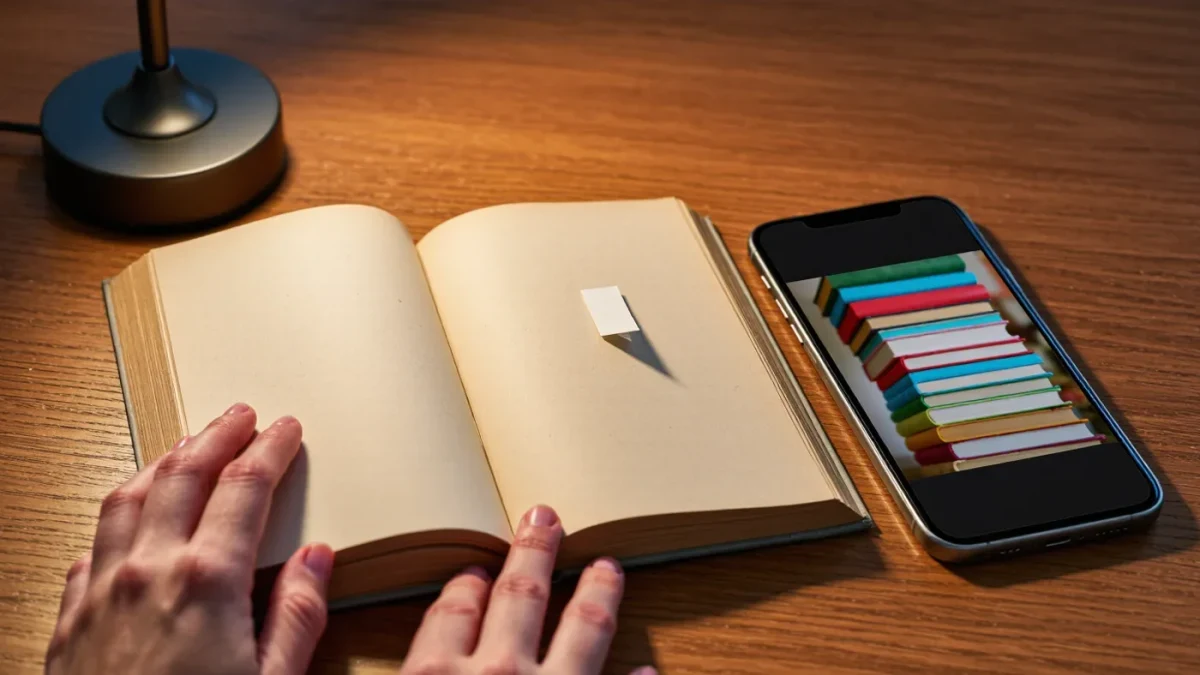
Often not. Quote cards misattribute lines between authors, invent romantic lines for clicks, or excerpt fan-written content as if canonical. The check is physical and unbeatable: open the book. Searchable e-book copies and library borrowing make this a two-minute verification. A quote that cannot be found in any edition is fabricated, and a 'scene' from an unpublished book is fiction about fiction.
What about author 'drama' and callouts?
Treat as unconfirmed court-of-opinion material. Publishing has real, documented accountability moments — publishers have pulled books and issued statements over plagiarism and conduct allegations, covered by Reuters and BBC in notable cases. But a callout video is an accusation, not a finding; the confirmed tier requires a publisher statement, a legal record or on-record reporting by a named outlet. Until then it is one account's narrative, and resharing it as fact is how publishing misinformation spreads.
What is the honest way to consume BookTok news?
Enjoy the recommendations, check the claims. The book itself is the final authority on its own content; the publisher is the authority on its publication; the district is the authority on its removal. None of those authorities lives in the comments — which is fine, because all of them are one search away.
Why do fake quotes thrive in book communities?
Because the communities are quote-driven. Whole recommendation formats are built on excerpted lines, so a fabricated quote in the right typography spreads through exactly the channels designed to spread real ones — and books are long enough that most readers cannot refute a line from memory. The economics compound it: quote cards are the cheapest content to make and the most shareable in the niche. This is why the open-the-book check matters more here than almost anywhere: the source is a physical object that millions of copies of exist, and every one of them outranks a screenshot.
How can creators and readers slow the spread?
Creators can cite editions — a page number or chapter costs nothing and changes everything. Readers can ask for the source in the comments once, without hostility; a request for a source is not an attack, it is the community's immune response. And for the industry claims, the habit is the same as in every category on this site: publisher before fan account, trade press before screenshot, and the record before the reaction. BookTok's power to make bestsellers is real — which is exactly why its facts deserve the same discipline as its taste is given credit for.