When a dance, a joke format or a video trend goes mainstream, the original creator is usually the last person anyone can name. The move gets copied, reposted, stripped of its handle and re-uploaded until the version with the most views looks like the version that started it. That erasure is not an accident. It is a predictable result of how sharing platforms are built.
This piece explains how fandom trend credit gets lost, what the mechanics actually are, and what a viewer can do about it. No single platform is the villain here. The pattern repeats everywhere fan communities gather, from the big video apps to the wiki farms and forums that have documented fan culture for decades.
Why does fandom culture produce trends in the first place?
Fandoms are engines of repetition. A community that loves the same show, game or artist develops in-jokes, catchphrases and formats, and members refine them constantly. That is the point of a fandom: shared language. Fan communities have been building this shared infrastructure for a long time. According to Wikipedia's entry on Fandom, the fandom.com wiki platform launched in 2004 under the name Wikicities, founded by Wikipedia co-founder Jimmy Wales and Angela Beesley Starling, and grew into a large network of fan-built reference pages for games, films and television series.
That history matters for one reason: fandoms have always been collaborative and copy-heavy. A wiki entry is edited by dozens of hands. A fan edit is built on someone else's footage. The culture assumes reuse. What has changed is the economics. Where a wiki credited its contributors in the page history, a short video platform credits almost nothing.
How does a trend actually lose its creator?
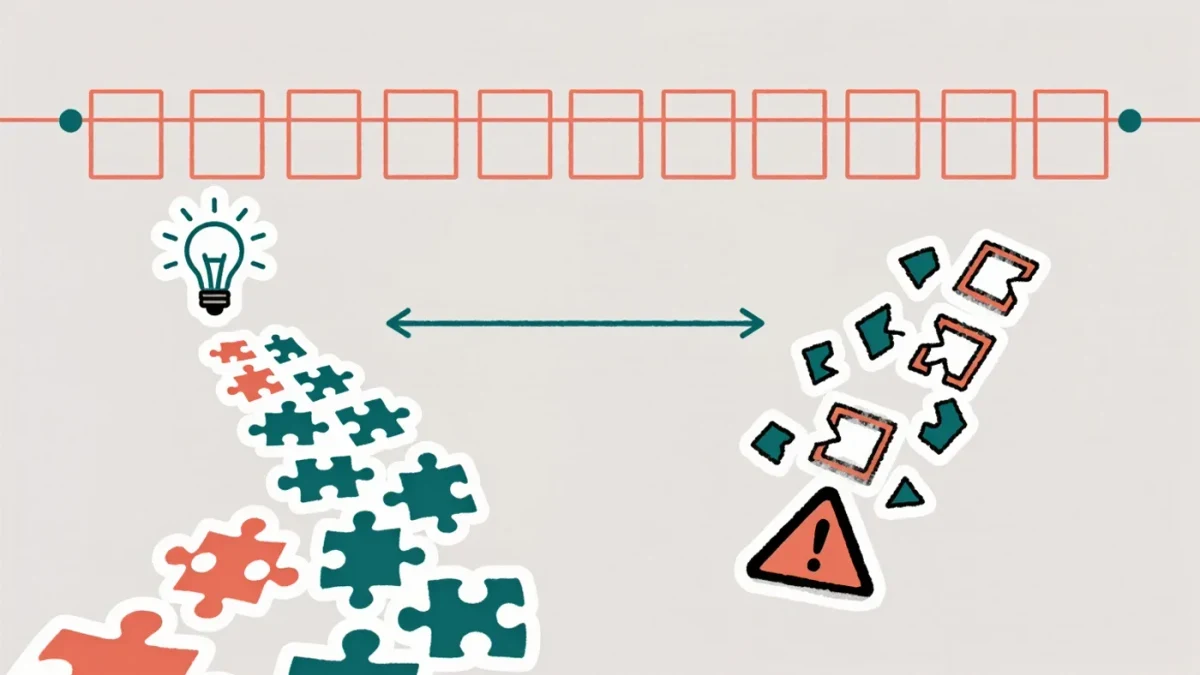
The mechanics are simple and they stack.
- Reposting without attribution. A clip is downloaded and re-uploaded as if it were new. The uploader's account, not the creator's, collects the views.
- Watermark cropping. Many apps stamp a creator's handle on saved video. Crop the corner and the signature disappears.
- Copy-first formats. Duet and remix features invite participation. Each new layer buries the original one frame further back.
- Algorithmic sorting. Recommendation systems reward watch time and completion, not provenance. A slicker copy by a bigger account will outrank the rough original.
- Speed. By the time a trend reaches a mainstream audience, it has usually passed through several accounts. Tracing it backwards takes effort most viewers never spend.
None of these steps requires bad intent. A fan who learns a dance from a friend's video is copying honestly. But the chain adds up to the same outcome: the originator's name detaches from the work.
Why does the copy usually beat the original?
Because virality is a competition of distribution, not creation. A large account with an existing audience can take a format, perform it more polished, and reach a million people in a day. The original creator may have a few thousand followers and no studio lighting. The algorithm sees engagement, not authorship, so it amplifies the engagement.
There is also a status asymmetry. When a celebrity or a major creator does a trend, the coverage names them. When an unknown fan did it first, the coverage names the trend. The famous person becomes the reference point, and the originator becomes a footnote in their own comment section, if the comment section remembers at all. Readers following this should also see Viral stories about art and museums: how to check them.
What this means for fans who want to credit correctly
Credit is a habit, not a technology problem. A few practices make a real difference. We covered a connected angle in Trace any viral photo to its real source.
- Before you share, check whether the poster is the creator. Look for an original-post claim, a pinned comment, or an earlier upload on the same account.
- When you know who started a trend, say so. A caption with a handle travels with the share.
- Be sceptical of "original" claims made by big accounts. Bigger reach does not equal earlier origin.
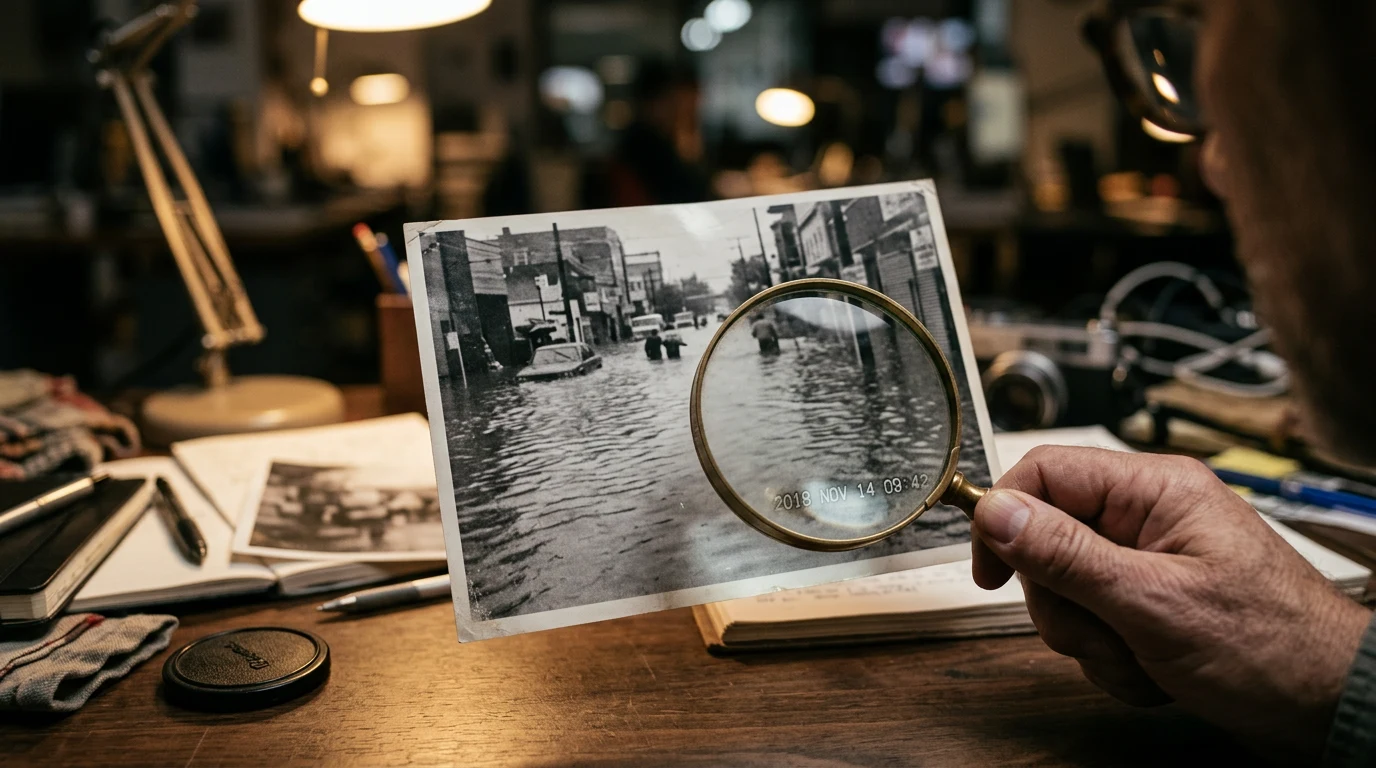
- If you are tracing a clip backwards, work the way you would for any viral image: check earlier uploads, older timestamps and the first place the format appeared. The same discipline applies as in our guide to tracing any viral photo to its real source.
Our analysis: the platforms could fix much of this with better provenance signals, but they have weak incentives to. Attribution slows sharing, and sharing is the product. So the burden currently sits with audiences.
Is erasure the same thing as theft?
Not always, and the distinction matters. Copying a dance move or a joke format is usually not a legal violation, and this article is not legal advice. But there is a gap between what the law protects and what a healthy community owes. A format can be free to use and still deserve a name attached. Fans themselves often police this better than platforms do, calling out reposts in comments and redirecting traffic to the original. That peer pressure is currently the main enforcement mechanism fandom trend credit has.
The deeper problem is asymmetry of value. A trend can generate real money for the accounts that popularize it: brand deals, streaming numbers, merchandise. The originator, uncredited, collects none of it. When the copying is honest, that is bad luck. When a bigger account strips a watermark deliberately, it is closer to taking something.
Where this leaves the people who start trends
The evidence points one way: fandoms will keep producing formats, and mainstream virality will keep stripping names from them, because every incentive in the sharing stack points that direction. What remains unknown is whether provenance features, such as built-in credit trails or original-content labels, will ever become standard enough to change the outcome. Until they do, credit survives only where fans insist on it.
The practical takeaway is small and repeatable. One extra check before you share, one handle in your caption. It costs seconds. For the person who made the thing, it can be the difference between being known and being a rumor in someone else's comments.