Fan edits are creative remixes; real footage is a recording of something that happened. The line blurs when edits are posted without labels and deepfakes enter the mix. Reuters' fact-checking desk, which has examined manipulated celebrity clips since at least 2020, uses the same short checklist: trace the original source, check lighting and edges, and never trust a screenshot of a video. Most swaps fail one of those checks within a minute.
Why do fan edits fool so many viewers?
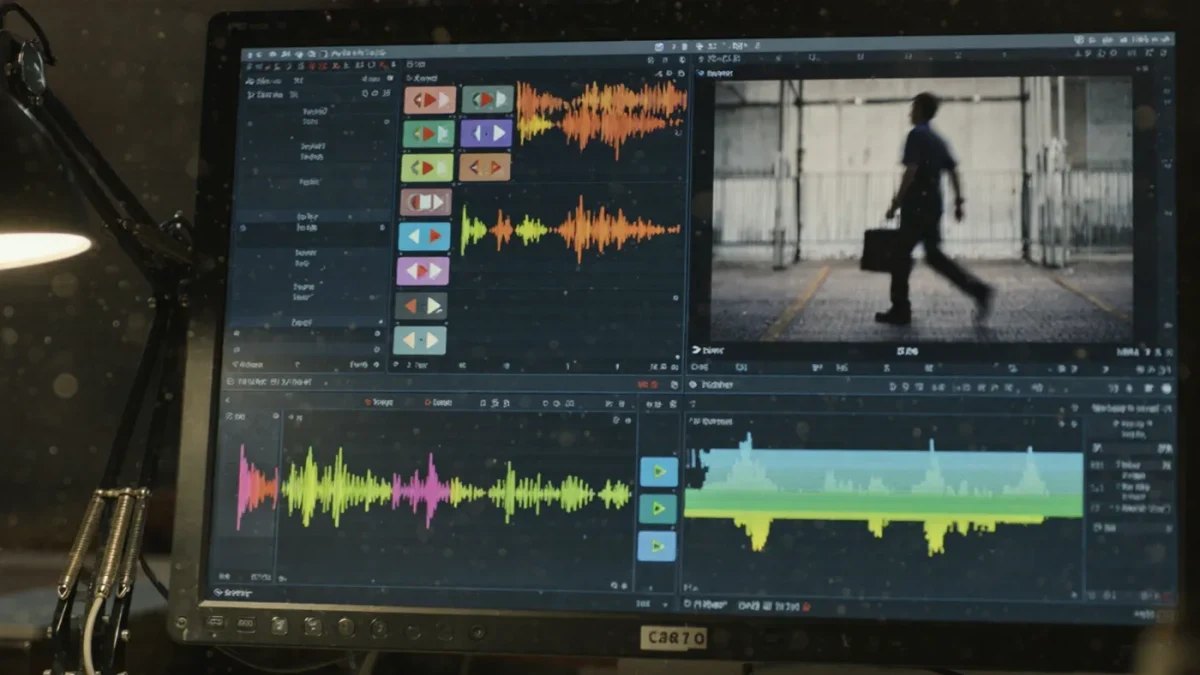
Because they look better than reality. A skilled editor selects the most flattering frames, slows them down, grades the color toward cinema, and sets them to music that tells your emotions what to feel. By the time the clip reaches a feed, it has been optimized for impact in a way raw footage never is.
The problem is not the craft — fan communities have made edits for decades. The problem is context collapse. A clip made for fans who know it is an edit gets reposted by strangers who assume it is a record. Captions vanish on reuploads, credit gets stripped, and a remix starts traveling as evidence.
What is the fastest way to spot a fan edit?
Find the original. A fan edit is a derivative: slowed motion, color grading, added music, spliced scenes from different events. If the clip has a soundtrack that swells at the right emotional beat, or cuts between angles no single camera could produce, it is an edit by design. Reverse image search a few frames. If older, plainer versions exist, you are watching a remix, not a record.
How do deepfake celebrity videos betray themselves?
Edges and consistency. Deepfakes struggle where skin meets hair, glasses, or jewelry — look for flickering boundaries and blur that slides frame to frame. Blinking that is too slow or too rare, teeth that lack individual definition, and lighting on the face that does not match the room are established tells documented by fact-checkers and researchers alike. Reuters Fact Check has flagged these artifacts in debunked celebrity videos repeatedly since 2020.
Why do captions and context matter so much?
Because edits get weaponized through framing. A harmless fan edit from 2019 becomes "leaked footage" when re-captioned in 2024. Check the posting account: fan pages usually declare themselves in the bio. Check whether any established news outlet, such as BBC News or Reuters, has covered the event the clip claims to show. If the only sources are anonymous aggregators, treat the clip as unconfirmed. The caption is a claim, not a credential.
What visual clues indicate real footage?
Imperfection. Genuine recordings carry continuity: consistent shadows, natural micro-expressions, camera shake, background people who react in sync. Real clips usually have a traceable provenance — a broadcaster's watermark, a wire-service photo sequence from the same angle, or a dated pool feed. Boring details are a feature. Manufactured smoothness is the suspect.
Which seven checks cover almost every case?
Work through them in order. One: who posted it, and does the bio say fan account. Two: does added music or slow motion signal an edit. Three: do face edges, blinking, and teeth stay stable frame to frame. Four: does the lighting on the face match the scene. Five: does a reverse frame search surface an older original. Six: has any established outlet reported the underlying event. Seven: does the caption promise drama the clip itself cannot support.
A clip that fails two or more checks is presumptively an edit until proven otherwise. That standard is not cynical; it matches how professional fact-checkers treat unsourced celebrity video. The burden of proof sits with the clip, not with the doubter.
Can detection tools do the work for you?
Partly, and slowly. Platform labels for AI-generated media, where present, help but are inconsistent and depend on self-reporting. Researchers publishing in Nature on synthetic-media detection caution that no tool is definitive, and detectors lag generators. Your own two-minute source check — origin account, frame search, edge inspection — still outperforms most automated shortcuts for a single viral clip.
What should you do before sharing?
Wait and verify. If a celebrity clip is shocking, funny, or perfectly timed, that is exactly when it deserves a pause. Confirm the event with at least one established outlet, check the account that posted it, and look for the original upload. If you cannot find one, do not share. Mislabeled edits spread because speed beats caution — refuse to supply the speed.